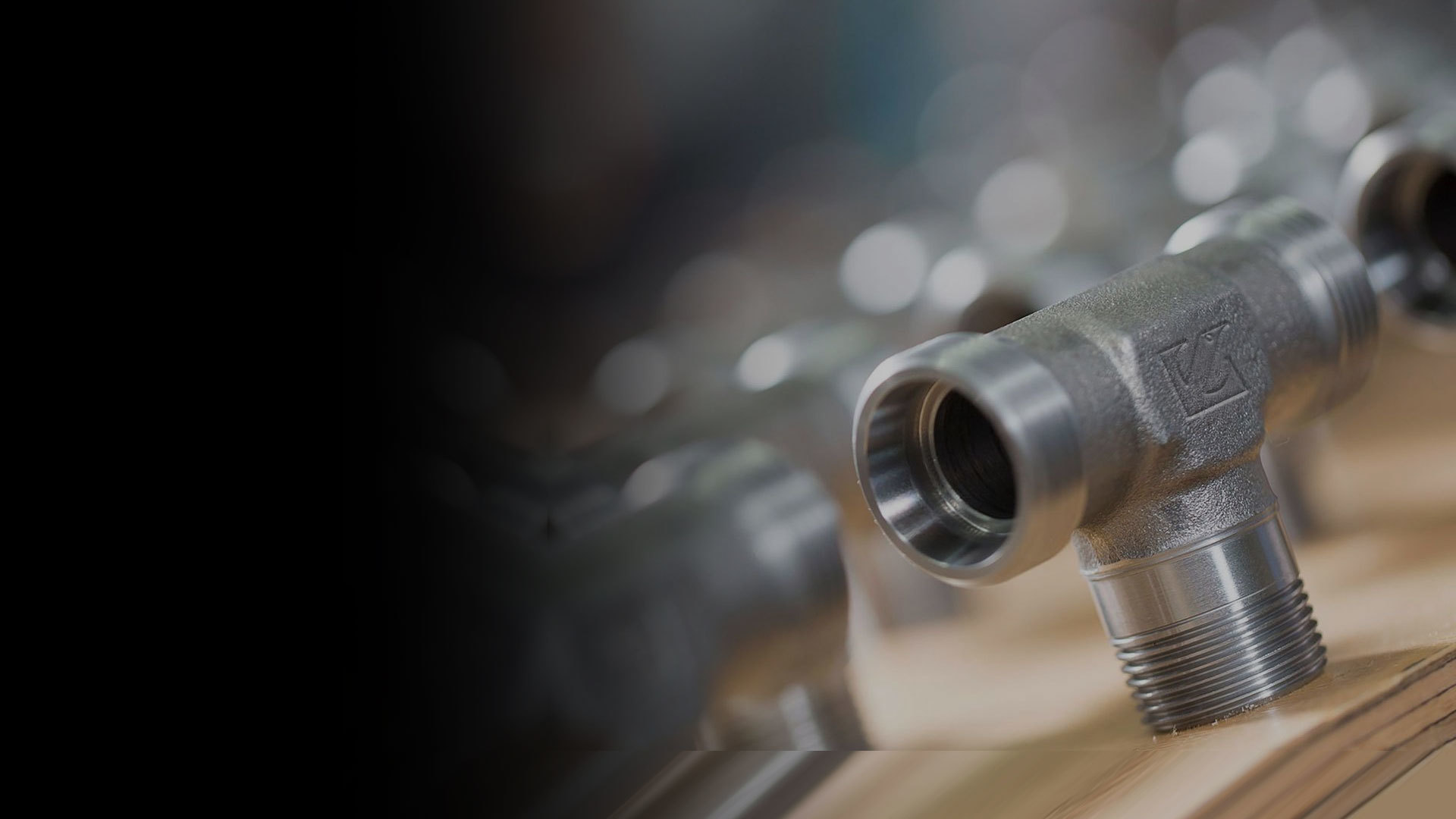
The Critical Role of Quality in BSP Cone Seal Fittings: Ensuring Reliability and Performance
The Critical Role of Quality in BSP Cone Seal Fittings In the world of industrial machinery and hydraulic systems, the quality of components plays a pivotal role in ensuring optimal performance and longevity. Among these components, **BSP Cone Seal Fittings** stand out as essential elements that facilitate secure connections within hydraulic lines. This article delves into the significance of qual
Date:
2026/09/14
Share:


The Critical Role of Quality in BSP Cone Seal Fittings
In the world of industrial machinery and hydraulic systems, the quality of components plays a pivotal role in ensuring optimal performance and longevity. Among these components, **BSP Cone Seal Fittings** stand out as essential elements that facilitate secure connections within hydraulic lines. This article delves into the significance of quality in BSP Cone Seal Fittings, examining their construction, applications, and the impact of inferior products on hydraulic systems.
Understanding BSP Cone Seal Fittings
BSP (British Standard Pipe) Cone Seal Fittings are designed to provide leak-free connections in hydraulic systems. Their unique design, characterized by a conical seat, allows for a secure seal when properly tightened. These fittings are widely used across various industries, including manufacturing, construction, and automotive, where high-pressure environments demand reliability and resilience.
Key Features of BSP Cone Seal Fittings
1. **Material Composition**: Quality BSP Cone Seal Fittings are typically made from robust materials such as stainless steel, brass, or carbon steel. These materials are chosen for their strength, durability, and resistance to corrosion, making them ideal for high-pressure applications.
2. **Precision Engineering**: The manufacturing process of these fittings involves precision engineering to ensure accurate dimensions and tolerances. High-quality fittings offer superior machining, ensuring a perfect fit and enhanced performance.
3. **Sealing Mechanism**: The conical design of BSP fittings enables a tight seal that is crucial for preventing leaks. This design minimizes the risk of hydraulic fluid loss, which can lead to decreased efficiency and potential safety hazards.
Applications of BSP Cone Seal Fittings
BSP Cone Seal Fittings are versatile components utilized in various applications:
- **Hydraulic Systems**: Essential for connecting hoses and tubes in hydraulic machinery, ensuring efficient fluid transfer under pressure.
- **Automotive Engineering**: Commonly used in automotive hydraulic systems, providing reliable connections for brakes, power steering, and transmission.
- **Manufacturing Equipment**: Widely found in factory machinery, where they support hydraulic systems critical for automation and production lines.
The Impact of Quality on Performance
Investing in high-quality BSP Cone Seal Fittings directly influences the performance and safety of hydraulic systems. Here’s how:
1. Reliability in High-Pressure Environments
High-quality fittings are engineered to withstand extreme pressures without compromising integrity. Inferior fittings may fail, leading to leaks that can disrupt operations, cause equipment damage, and pose safety risks.
2. Enhanced Efficiency
A secure seal provided by quality BSP fittings ensures that hydraulic fluid is effectively contained within the system. This containment enhances the efficiency of machinery, reducing energy consumption and operational costs.
3. Reduced Maintenance and Downtime
Quality fittings minimize the likelihood of leaks and failures, reducing the need for frequent maintenance and repairs. This proactive approach saves time and resources, allowing businesses to focus on productivity.
4. Safety Considerations
Safety is paramount in any industrial setting. Leaks from low-quality fittings can lead to hazardous conditions, including slips, falls, and equipment malfunctions. High-quality BSP Cone Seal Fittings contribute to a safer working environment by ensuring leak-free connections.
Choosing the Right BSP Cone Seal Fittings
When selecting BSP Cone Seal Fittings, several factors should be considered to ensure optimal quality and performance.
1. Material Selection
Choose fittings made from materials that suit the specific application. For example, stainless steel fittings are ideal for corrosive environments, while brass may be suitable for more general use.
2. Manufacturer Reputation
Opt for fittings from reputable manufacturers known for their quality control processes. Researching reviews and testimonials can provide insights into the reliability of a brand.
3. Compliance with Standards
Ensure that the BSP Cone Seal Fittings meet relevant industry standards and certifications. Compliance with these standards guarantees that the fittings have undergone rigorous testing and are fit for purpose.
4. Technical Specifications
Pay attention to the technical specifications, including pressure ratings, size, and thread types. Selecting fittings that perfectly match the requirements of your hydraulic system is crucial for achieving a secure and reliable connection.
Common Challenges with BSP Cone Seal Fittings
While BSP Cone Seal Fittings are designed for reliability, certain challenges can arise, particularly when quality is compromised.
1. Installation Issues
Improper installation can lead to leaks, even with high-quality fittings. It's crucial to follow manufacturer guidelines to ensure proper torque and alignment.
2. Wear and Tear
Over time, fittings can experience wear and tear, especially in high-stress applications. Regular inspections can help identify early signs of deterioration, allowing for timely replacements.
3. Environmental Factors
Extreme temperatures, exposure to chemicals, and other environmental conditions can affect the performance of fittings. Selecting the right materials and designs can mitigate these risks.
FAQs about BSP Cone Seal Fittings
1. What are BSP Cone Seal Fittings used for?
BSP Cone Seal Fittings are utilized to create leak-free connections in hydraulic systems across various industries, including manufacturing, automotive, and construction.
2. How do I know if my BSP fittings are high quality?
Look for reputable manufacturers, compliance with industry standards, and materials suitable for your specific application. Quality fittings also exhibit precise engineering and a reliable sealing mechanism.
3. Can I use BSP Cone Seal Fittings in high-pressure applications?
Yes, high-quality BSP Cone Seal Fittings are designed to withstand high-pressure environments. However, it’s essential to select fittings rated for the specific pressure requirements of your system.
4. How do I properly install BSP Cone Seal Fittings?
Follow the manufacturer’s installation guidelines, ensuring the fittings are aligned correctly and tightened to the appropriate torque specifications to avoid leaks.
5. What should I do if I experience leaks in my hydraulic system?
Inspect all connections, including BSP Cone Seal Fittings, for signs of wear or improper installation. Replace any faulty fittings and ensure all connections are properly tightened.
Conclusion
The importance of quality in BSP Cone Seal Fittings cannot be overstated. These critical components ensure the reliability and efficiency of hydraulic systems across various industries. By understanding the features, applications, and challenges associated with BSP Cone Seal Fittings, businesses can make informed decisions that enhance performance and safety. Investing in high-quality fittings not only mitigates risks but also contributes to the overall success of operations. Prioritize quality in your hydraulic systems, and experience the benefits of improved efficiency, reduced maintenance, and a safer working environment.
Related News
206 Zhangyi Road, Zhangting Town, Yuyao City, Zhejiang Province, China