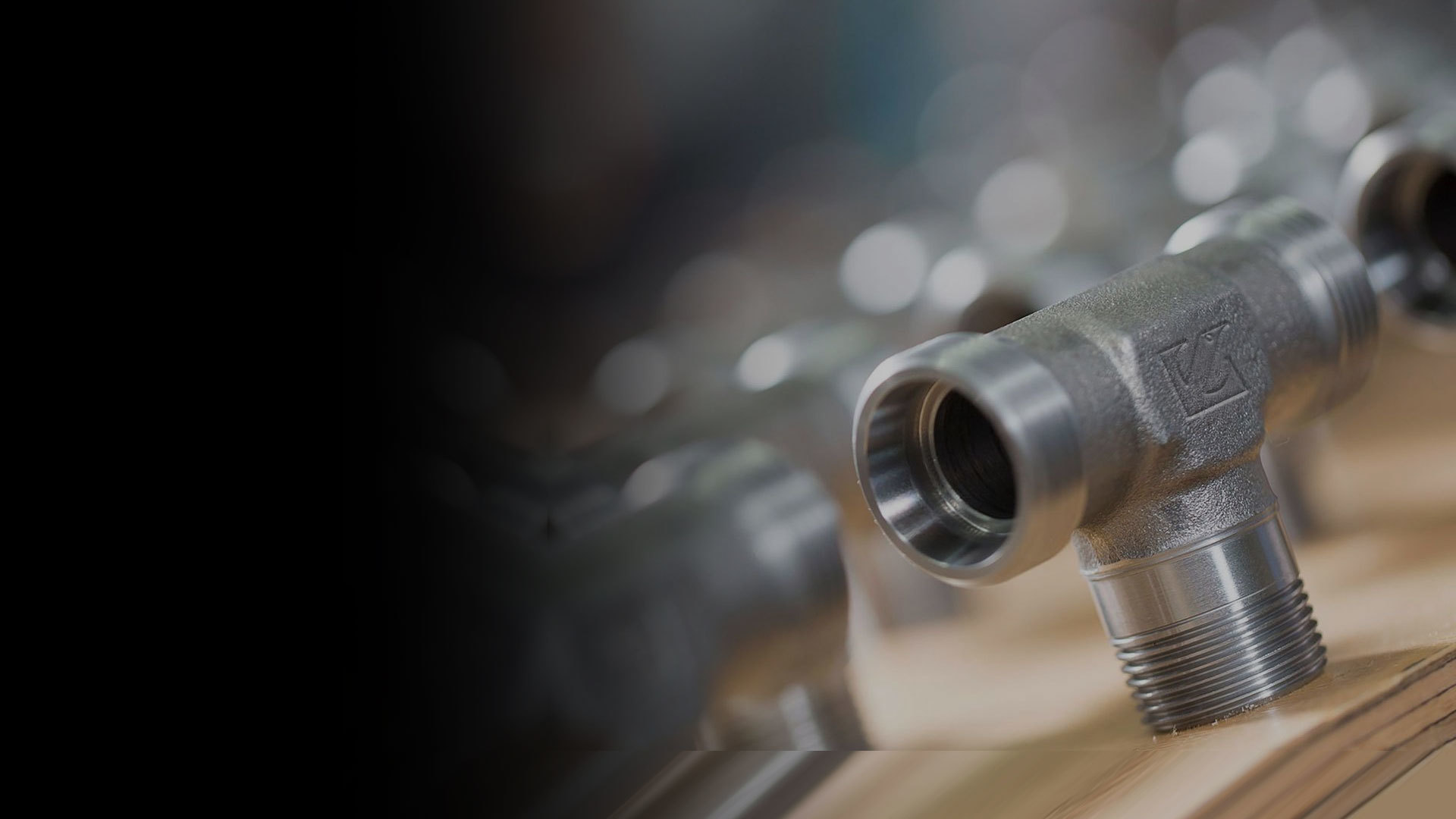
Tee Hydraulic Fittings vs. Other Connection Types: What You Need to Know
Tee Hydraulic Fittings vs. Other Connection Types: What You Need to Know Table of Contents Introduction to Hydraulic Fittings What Are Tee Hydraulic Fittings? Types of Hydraulic Fittings Advantages of Tee Hydraulic Fittings Comparing Tee Hydraulic Fittings with Other Connection Types Elbow Fittings Straight Fittings
Date:
2026/06/17
Share:


Tee Hydraulic Fittings vs. Other Connection Types: What You Need to Know
Table of Contents
- Introduction to Hydraulic Fittings
- What Are Tee Hydraulic Fittings?
- Types of Hydraulic Fittings
- Advantages of Tee Hydraulic Fittings
- Comparing Tee Hydraulic Fittings with Other Connection Types
- Installation and Maintenance of Tee Hydraulic Fittings
- Common Issues with Hydraulic Fittings and Their Fixes
- Conclusion
- FAQs
Introduction to Hydraulic Fittings
In industrial applications, **hydraulic fittings** play a crucial role in the functionality and efficiency of hydraulic systems. From connecting hoses to various components, these fittings ensure that the intended fluid dynamics occur without leaks or failures. This article delves into the world of **tee hydraulic fittings**, comparing them with other connection types to help you make well-informed decisions for your hydraulic installations.
What Are Tee Hydraulic Fittings?
Tee hydraulic fittings are specialized connectors that allow for the branching of hydraulic lines. Shaped like the letter 'T', they enable fluid flow from a single source to two separate directions. **Tee fittings** are essential in systems where multiple components need to be powered from a single hydraulic source, such as in machinery and industrial equipment.
Understanding the Components of Tee Hydraulic Fittings
Tee fittings are generally composed of three ports: one inlet and two outlets. They are available in various materials, including steel, brass, and plastic, and can be designed to accommodate different pressure ratings. The choice of material and design can significantly affect performance, durability, and suitability for specific applications.
Types of Hydraulic Fittings
When discussing hydraulic fittings, it's essential to understand the various types available in the market. Apart from tee fittings, several other connection types serve distinct purposes in hydraulic systems.
Elbow Fittings
**Elbow fittings** are designed to change the direction of fluid flow. They are available in 45-degree and 90-degree angles, making them ideal for navigating complex hydraulic systems where space is limited. Their design minimizes pressure drop and turbulence, ensuring efficient flow.
Straight Fittings
**Straight fittings** connect two hoses or sections of piping in a linear fashion. They are commonly used when a direct connection is needed without any directional changes. Straight fittings are versatile and can be used in various hydraulic applications.
Cross Fittings
**Cross fittings** allow for the connection of four hydraulic lines, providing even more branching capabilities than tee fittings. They are particularly useful in complex hydraulic systems where multiple components require simultaneous connections.
Advantages of Tee Hydraulic Fittings
Tee hydraulic fittings offer several advantages that make them a popular choice in many applications.
Space Efficiency
One of the primary benefits of tee fittings is their ability to save space. By allowing fluid to branch out from a single line, they reduce the need for multiple connections and can simplify the layout of hydraulic systems.
Improved Fluid Dynamics
Tee fittings are designed to facilitate smoother fluid flow. Their geometry helps minimize turbulence and pressure drops, leading to improved efficiency in hydraulic systems. This efficiency translates into better performance and energy savings.
Versatility Across Applications
Tee hydraulic fittings can be used in a wide range of applications, from construction machinery to automotive systems. Their adaptability makes them a reliable choice for various industries.
Comparing Tee Hydraulic Fittings with Other Connection Types
When selecting hydraulic fittings, it’s imperative to understand how tee fittings compare with elbow, straight, and cross fittings. Each type has its unique characteristics, advantages, and limitations.
Tee vs. Elbow Fittings
While both tee and elbow fittings allow for directional changes in fluid flow, tee fittings enable branching from a single source. In contrast, elbow fittings are primarily for changing the direction of flow without branching. This fundamental difference dictates the choice of fitting based on the system's design requirements.
Tee vs. Straight Fittings
Straight fittings simply connect two segments of hoses, serving a different purpose than tee fittings. Tee fittings allow for multiple outlets from one source, offering more functionality in systems requiring multiple hydraulic functions.
Tee vs. Cross Fittings
Cross fittings provide even more connection points than tee fittings, allowing for four lines to be connected. While they offer greater versatility, the complexity of installation can increase, especially in smaller or more intricate systems.
Installation and Maintenance of Tee Hydraulic Fittings
Proper installation and maintenance of tee hydraulic fittings are essential to ensure optimal performance and longevity.
Installation Guidelines
1. **Check Compatibility:** Always ensure that the fittings are compatible with the hoses or pipes being used. This compatibility includes the size, pressure rating, and material.
2. **Use Proper Tools:** Always use appropriate tools to avoid damaging the fittings during installation. A torque wrench may be necessary to achieve the recommended tightness without over-tightening.
3. **Inspect Before Use:** Before installation, inspect fittings for any signs of damage, rust, or deformities. Using compromised fittings can lead to leaks or failures.
Maintenance Tips
1. **Regular Inspections:** Periodically check the fittings for leaks or signs of wear. Early detection of issues can prevent costly repairs or system failures.
2. **Cleanliness:** Keep the fittings clean to avoid contamination in the hydraulic system. Dirt and debris can compromise the integrity of the hydraulic fluid.
3. **Tightening:** Ensure fittings remain tight over time. Vibration and thermal expansion can loosen fittings, leading to leaks.
Common Issues with Hydraulic Fittings and Their Fixes
Understanding common issues with hydraulic fittings can help in timely troubleshooting and repair.
Leakage Issues
Leaks are one of the most common problems associated with hydraulic fittings. They can occur due to improper installation, wear and tear, or using incompatible materials. To fix leaks, inspect the fittings for damage, retighten as necessary, or replace the fitting if it is compromised.
Wear and Tear
Repeated use can lead to wear on hydraulic fittings. Regular inspections can help identify wear before it becomes a critical issue. Replacing worn fittings promptly will ensure system reliability.
Conclusion
In conclusion, understanding the differences between **tee hydraulic fittings** and other connection types is vital for anyone involved in hydraulic system design and maintenance. Tee fittings offer unique advantages in terms of space efficiency and improved fluid dynamics, making them an excellent choice for many applications. By knowing how to properly install and maintain these fittings, as well as being aware of common issues, you can ensure the optimal performance of your hydraulic systems.
FAQs
1. What materials are tee hydraulic fittings made from?
Tee hydraulic fittings can be made from various materials, including steel, brass, and plastic, each chosen based on the application and pressure requirements.
2. How do I know which size tee fitting to use?
The size of the tee fitting should match the hoses or pipes in your hydraulic system. Always refer to manufacturer specifications for accurate sizing.
3. Can tee fittings handle high-pressure applications?
Yes, tee fittings are designed to handle high-pressure applications, but it's crucial to choose fittings rated for the specific pressure requirements of your system.
4. What is the lifespan of hydraulic fittings?
The lifespan of hydraulic fittings can vary based on usage, materials, and maintenance practices. Regular inspections can help extend their life.
5. Are tee fittings suitable for all hydraulic applications?
While tee fittings are versatile, it’s essential to evaluate the specific requirements of your hydraulic system to determine if they are the best choice for your application.
Related News
206 Zhangyi Road, Zhangting Town, Yuyao City, Zhejiang Province, China