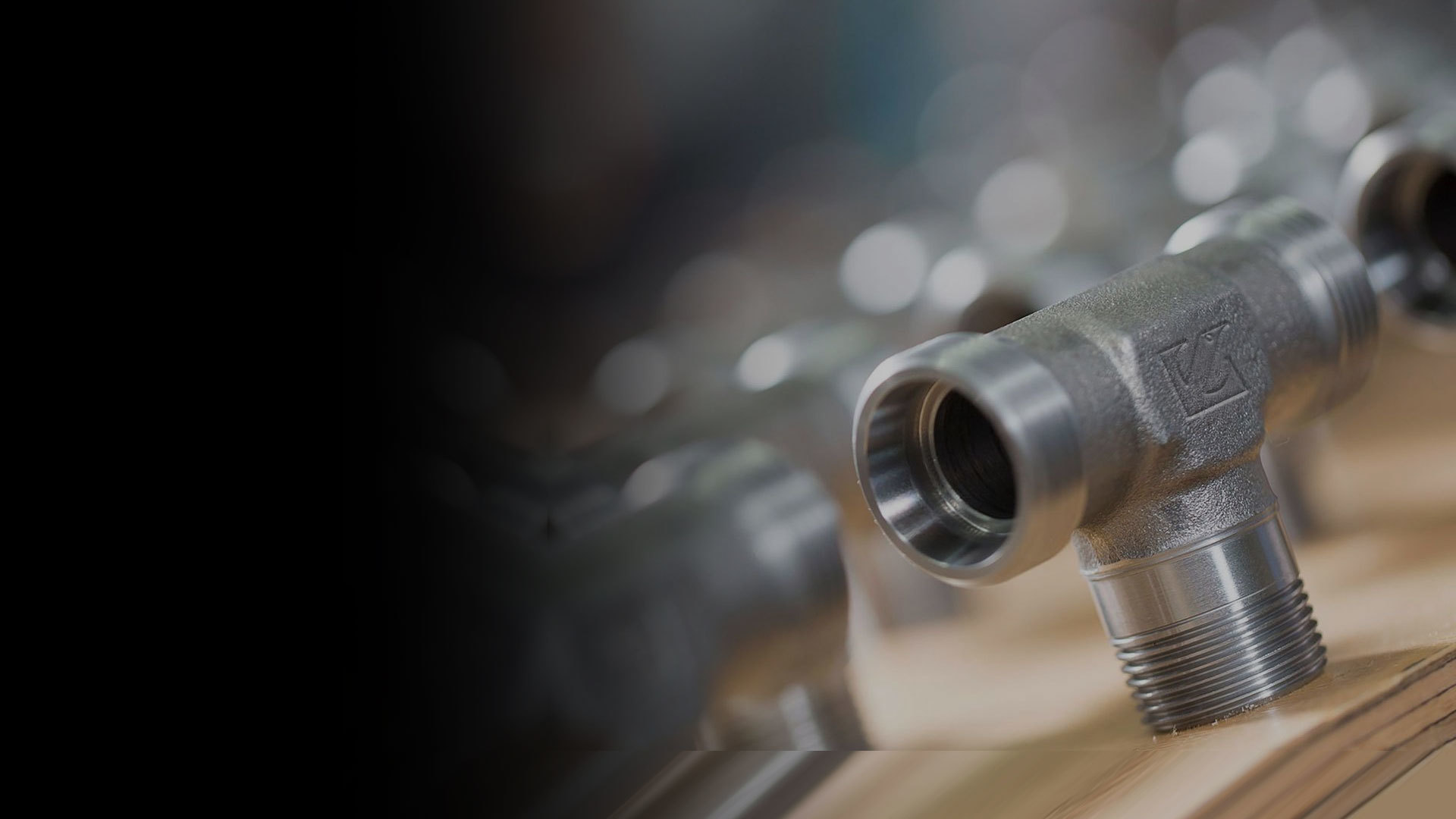
A Comprehensive Guide to BSP Thread 60° Cone Fittings: Understanding, Applications, and Best Practices
A Comprehensive Guide to BSP Thread 60° Cone Fittings Table of Contents 1. Introduction to BSP Fittings 2. Understanding BSP Thread Design 3. Detailed Exploration of 60° Cone Fittings 4. Applications of BSP 60° Cone Fittings 5. Materials Used in BSP Fittings 6. Installation Tips for BSP 60° Cone Fittings 7. Choosing the Right BSP Fitting for Your Needs 8. Maintenan
Date:
2026/07/03
Share:


A Comprehensive Guide to BSP Thread 60° Cone Fittings
Table of Contents
- 1. Introduction to BSP Fittings
- 2. Understanding BSP Thread Design
- 3. Detailed Exploration of 60° Cone Fittings
- 4. Applications of BSP 60° Cone Fittings
- 5. Materials Used in BSP Fittings
- 6. Installation Tips for BSP 60° Cone Fittings
- 7. Choosing the Right BSP Fitting for Your Needs
- 8. Maintenance and Care of BSP Fittings
- 9. Frequently Asked Questions
- 10. Conclusion
1. Introduction to BSP Fittings
BSP (British Standard Pipe) fittings are widely used in a variety of industrial applications, especially in hydraulic systems. The versatility and robust design of these fittings make them a preferred choice for engineers and technicians. In this section, we will provide an overview of BSP fittings and explain why the 60° cone design is particularly beneficial in many applications.
2. Understanding BSP Thread Design
BSP fittings are characterized by their unique thread designs, which play a crucial role in how they connect to pipes and hoses. The thread angle for BSP fittings is standardized at 55°, but the 60° cone fittings specifically offer several advantages. This section will delve into the mechanics of BSP thread design, including thread types, sizes, and specifications.
2.1 BSP Thread Types and Sizes
BSP fittings come in two primary types:
- **BSPP (British Standard Pipe Parallel)**: These fittings have parallel threads and require a sealing method to prevent leaks.
- **BSPT (British Standard Pipe Tapered)**: These fittings have tapered threads which provide a self-sealing mechanism.
Different sizes are also available, measured by the nominal pipe size (NPS) in inches, varying from 1/8” to 6” or larger. Understanding these variations is essential for selecting the proper fittings for your application.
2.2 The Importance of Thread Angle
The 60° angle in cone fittings allows for better alignment and sealing capabilities. This design minimizes stress on the connection and improves the overall integrity of the hydraulic system. It is crucial to understand how angle variations can impact performance when selecting fittings.
3. Detailed Exploration of 60° Cone Fittings
60° cone fittings are engineered to enhance flow rates and provide optimal sealing under pressure. This section will explore the design elements that contribute to their effectiveness, such as cone shape, material compatibility, and pressure ratings.
3.1 Design Elements of 60° Cone Fittings
The cone shape helps to concentrate the sealing force at the contact point, creating a tight seal that can withstand high pressures. The construction materials further dictate how these fittings perform in various environments, making it essential to select fittings that align with specific operational conditions.
3.2 Pressure and Temperature Ratings
Understanding the pressure and temperature ratings of a fitting is crucial for ensuring safety and functionality. This section will outline the standard ratings for 60° cone fittings and provide guidelines for selecting fittings based on operational parameters.
4. Applications of BSP 60° Cone Fittings
BSP 60° cone fittings are extensively used in multiple industries, including automotive, aerospace, and manufacturing. This section will discuss various applications where these fittings excel, including fluid transfer systems, hydraulic machinery, and high-pressure environments.
4.1 Hydraulic Systems and Equipment
In hydraulic systems, the reliability of connections is paramount. 60° cone fittings provide leak-proof connections, making them ideal for hydraulic applications where fluid integrity is crucial.
4.2 General Industry Usage
These fittings are not limited to specialized applications. Their durability and reliability make them suitable for general industrial use, including water supply systems, gas lines, and pneumatic systems.
5. Materials Used in BSP Fittings
The choice of material in BSP fittings significantly affects their performance and longevity. This section will examine common materials used, including brass, stainless steel, and plastic, along with their advantages and drawbacks.
5.1 Brass Fittings
Brass fittings are known for their excellent corrosion resistance and thermal conductivity. They are often favored in applications that require durability and reliability.
5.2 Stainless Steel Fittings
Stainless steel offers superior strength and corrosion resistance, making it ideal for high-pressure applications and environments exposed to harsh chemicals.
5.3 Plastic Fittings
While not as common for high-pressure applications, plastic fittings are lightweight and resistant to corrosion, making them a cost-effective solution for less demanding applications.
6. Installation Tips for BSP 60° Cone Fittings
Proper installation is critical for ensuring the performance of BSP fittings. This section will provide a step-by-step guide on how to install these fittings correctly, including the tools required and common mistakes to avoid.
6.1 Step-by-Step Installation Process
1. **Clean the surfaces**: Ensure that the threads are clean and free from debris.
2. **Apply thread sealant (if necessary)**: Depending on the type of fitting (BSPP or BSPT), apply appropriate thread sealant.
3. **Hand-tighten the fitting**: Begin by hand-tightening the fitting to ensure proper alignment.
4. **Use a wrench for final tightening**: Finish the connection by using a wrench, ensuring not to overtighten and damage the fitting.
5. **Test for leaks**: After installation, conduct a leak test to ensure the integrity of the connection.
6.2 Common Installation Mistakes to Avoid
- Failing to clean the threads properly.
- Over-tightening, which can lead to thread damage.
- Using inappropriate sealants or lubricants that can compromise the seal.
7. Choosing the Right BSP Fitting for Your Needs
Selecting the appropriate BSP fitting requires careful consideration of various factors. This section will outline the key points to consider, including pressure ratings, material compatibility, and the specific application.
7.1 Application Considerations
Identify the type of fluid being transferred, the operating pressure, and the environmental conditions to choose the right material and fitting type.
7.2 Pressure and Temperature Considerations
Ensure that the fittings you choose can withstand the specific pressure and temperature conditions of your system to avoid failures.
8. Maintenance and Care of BSP Fittings
Regular maintenance is vital for ensuring the longevity of BSP fittings. This section will provide guidelines on how to maintain these fittings effectively.
8.1 Regular Inspections
Routine inspections help identify wear and tear early. Look for signs of corrosion, leaks, or mechanical damage.
8.2 Cleaning and Storage
Proper cleaning methods can prolong the life of fittings. Store fittings in a dry, cool place to prevent corrosion.
9. Frequently Asked Questions
1. What are BSP fittings used for?
BSP fittings are commonly used in hydraulic and pneumatic systems, as well as for connecting pipes in water and gas supply applications.
2. How do I know what size BSP fitting I need?
Determine the nominal pipe size (NPS) of your pipe and match it with the corresponding BSP fitting size.
3. Can I use BSP fittings with other standards?
While BSP fittings are designed for compatibility with specific systems, mixing standards can lead to leaks. It is best to use fittings that match your system's standards.
4. Are BSP fittings reusable?
Many BSP fittings can be reused, but it is essential to inspect them for wear and damage before reinstallation.
5. Where can I buy BSP fittings?
BSP fittings are widely available through industrial supply stores, online retailers, and specialized hydraulic component suppliers.
10. Conclusion
In conclusion, BSP thread 60° cone fittings are vital components in many industrial applications. Their robust design, exceptional sealing capabilities, and versatility make them an indispensable choice for engineers and technicians. By understanding their design, applications, and maintenance needs, you can ensure optimal performance in your hydraulic systems. Whether you are selecting new fittings or maintaining existing connections, this guide provides a comprehensive resource for all your BSP fitting needs.
Related News
206 Zhangyi Road, Zhangting Town, Yuyao City, Zhejiang Province, China