Understanding UN Thread Hydraulic Fittings: A Comprehensive Guide for Professionals
Hydraulic systems are integral to various industrial applications, and understanding the components that facilitate their functionality is essential for professionals in the field. One key component that merits attention is the UN thread hydraulic fittings. These fittings play a crucial role in establishing secure connections within hydraulic systems, ensuring safe and efficient performance. UN th
Date:
2026/07/07
Share:


Hydraulic systems are integral to various industrial applications, and understanding the components that facilitate their functionality is essential for professionals in the field. One key component that merits attention is the UN thread hydraulic fittings. These fittings play a crucial role in establishing secure connections within hydraulic systems, ensuring safe and efficient performance.
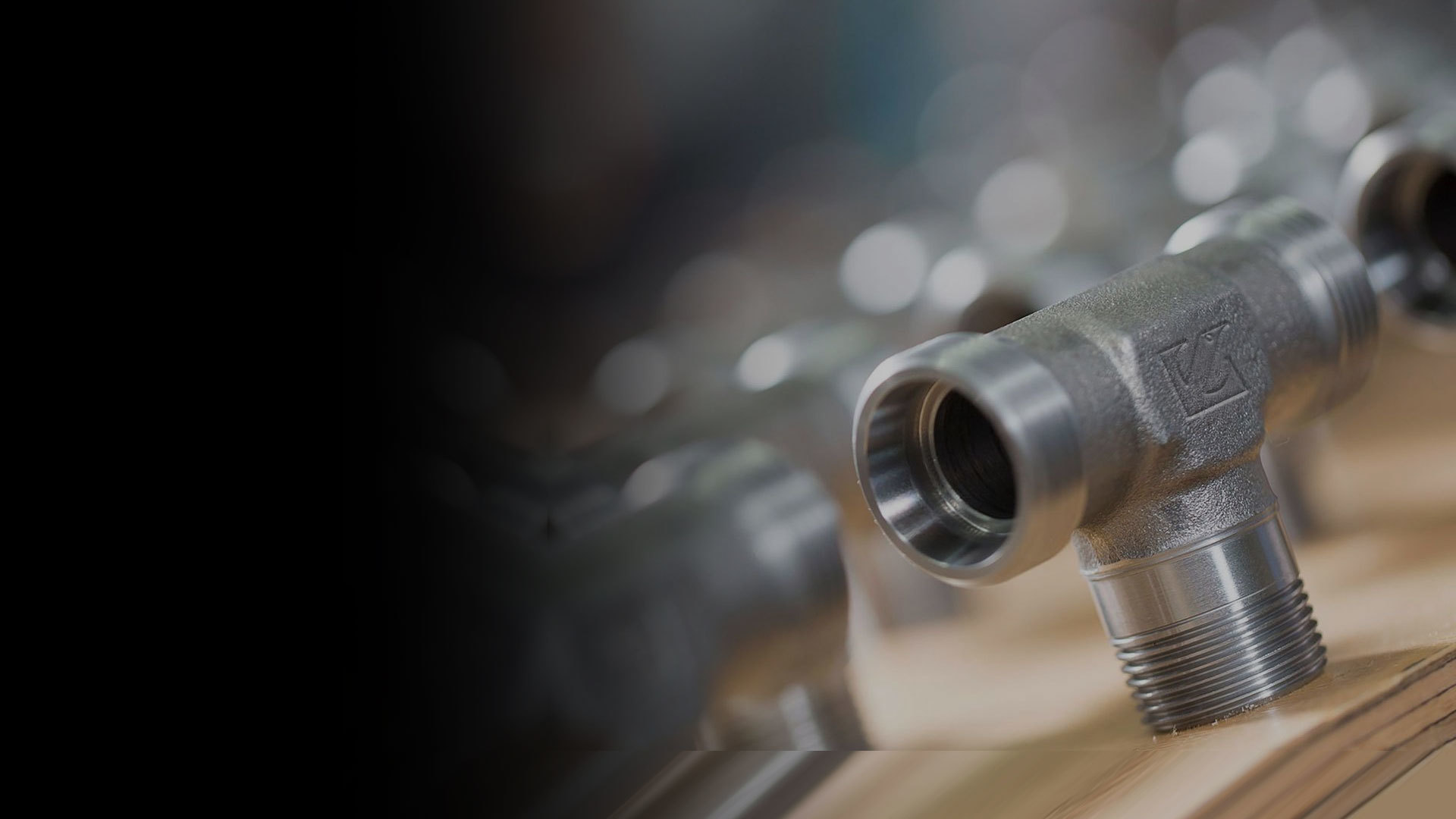
UN thread hydraulic fittings are characterized by their unified national threads, which adhere to specific standards for size and pitch. This standardization promotes compatibility and interchangeability among various hydraulic components. The use of UN threading simplifies the process of connecting different parts of a hydraulic system, thereby reducing the risk of leaks and failures, which can be costly in terms of both time and resources.
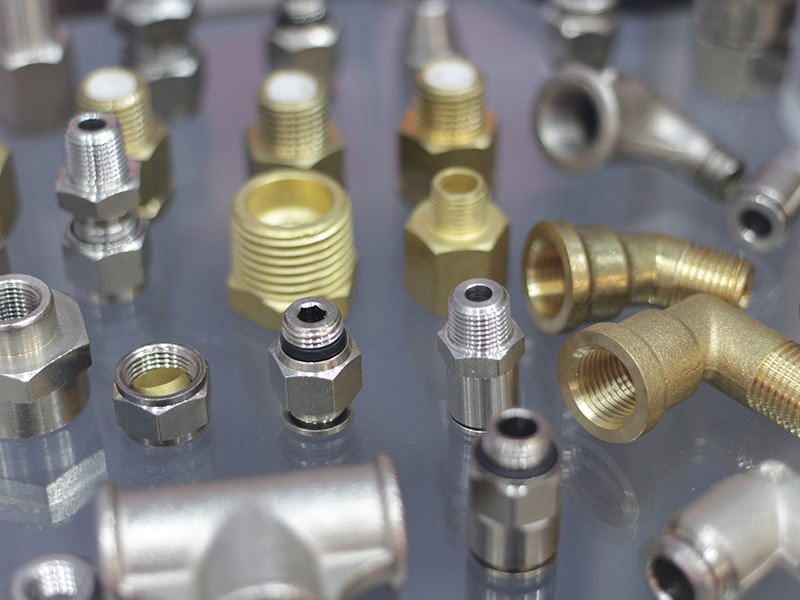
When selecting UN thread hydraulic fittings, it is crucial to consider the material composition. Common materials include steel, stainless steel, brass, and plastic, each offering unique advantages depending on the application. For instance, stainless steel fittings provide excellent corrosion resistance, making them suitable for environments exposed to moisture or harsh chemicals. On the other hand, brass fittings are often favored for their cost-effectiveness and ease of installation, although they may not withstand extreme conditions as effectively as their stainless steel counterparts.
Another important consideration is the pressure and temperature ratings of the fittings. Hydraulic systems can operate under varying pressures, and it is vital to choose fittings that can withstand these conditions without compromising safety. Professionals must refer to the specifications provided by manufacturers to ensure the selected fittings are appropriate for their specific application.
Proper installation of UN thread hydraulic fittings is critical to their performance. The threads should be clean and free from debris, and it's advisable to use appropriate sealing methods, such as thread sealants or PTFE tape, to prevent leaks. Additionally, care should be taken to avoid cross-threading during installation, as this can lead to compromised connections and potential system failures.
In summary, UN thread hydraulic fittings are essential components in hydraulic systems, providing reliable connections that ensure operational efficiency. By understanding the materials, pressure ratings, and proper installation techniques, professionals can make informed decisions that enhance the performance and longevity of their hydraulic systems. Whether you are sourcing components for new installations or conducting maintenance on existing systems, familiarizing yourself with the nuances of UN thread hydraulic fittings will undoubtedly contribute to your success in the industrial equipment sector.
UN thread hydraulic fittings are characterized by their unified national threads, which adhere to specific standards for size and pitch. This standardization promotes compatibility and interchangeability among various hydraulic components. The use of UN threading simplifies the process of connecting different parts of a hydraulic system, thereby reducing the risk of leaks and failures, which can be costly in terms of both time and resources.
When selecting UN thread hydraulic fittings, it is crucial to consider the material composition. Common materials include steel, stainless steel, brass, and plastic, each offering unique advantages depending on the application. For instance, stainless steel fittings provide excellent corrosion resistance, making them suitable for environments exposed to moisture or harsh chemicals. On the other hand, brass fittings are often favored for their cost-effectiveness and ease of installation, although they may not withstand extreme conditions as effectively as their stainless steel counterparts.
Another important consideration is the pressure and temperature ratings of the fittings. Hydraulic systems can operate under varying pressures, and it is vital to choose fittings that can withstand these conditions without compromising safety. Professionals must refer to the specifications provided by manufacturers to ensure the selected fittings are appropriate for their specific application.
Proper installation of UN thread hydraulic fittings is critical to their performance. The threads should be clean and free from debris, and it's advisable to use appropriate sealing methods, such as thread sealants or PTFE tape, to prevent leaks. Additionally, care should be taken to avoid cross-threading during installation, as this can lead to compromised connections and potential system failures.
In summary, UN thread hydraulic fittings are essential components in hydraulic systems, providing reliable connections that ensure operational efficiency. By understanding the materials, pressure ratings, and proper installation techniques, professionals can make informed decisions that enhance the performance and longevity of their hydraulic systems. Whether you are sourcing components for new installations or conducting maintenance on existing systems, familiarizing yourself with the nuances of UN thread hydraulic fittings will undoubtedly contribute to your success in the industrial equipment sector.
Related News
206 Zhangyi Road, Zhangting Town, Yuyao City, Zhejiang Province, China