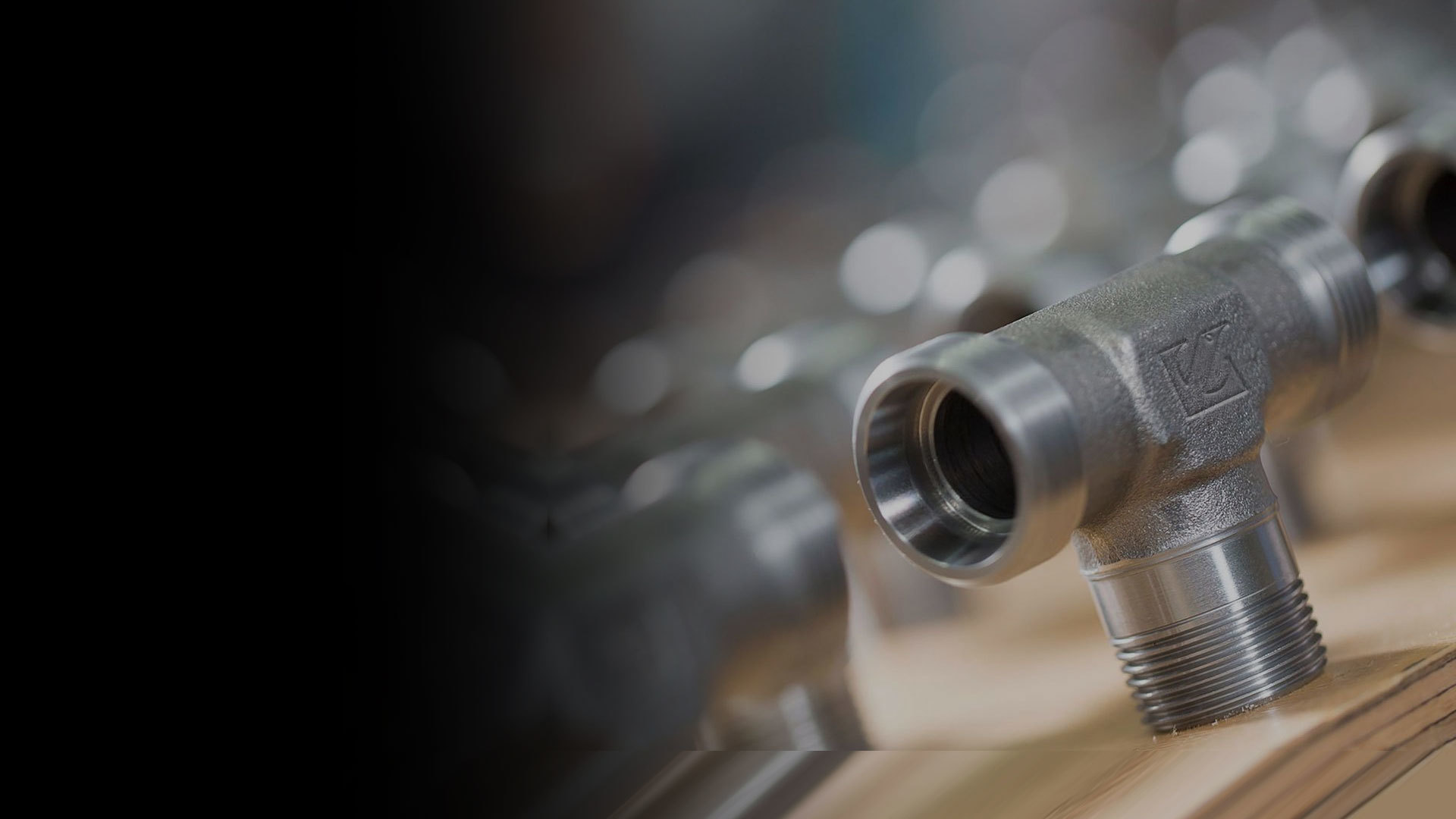
Common Issues with Tee Hydraulic Fittings and Comprehensive Solutions
Common Issues with Tee Hydraulic Fittings and Comprehensive Solutions Hydraulic systems are integral to numerous industrial applications, with **tee hydraulic fittings** serving as essential components for fluid distribution. However, like any mechanical part, these fittings can encounter problems that may disrupt system operations. Understanding these common issues and their resolutions is crucia
Date:
2026/07/11
Share:


Common Issues with Tee Hydraulic Fittings and Comprehensive Solutions
Hydraulic systems are integral to numerous industrial applications, with **tee hydraulic fittings** serving as essential components for fluid distribution. However, like any mechanical part, these fittings can encounter problems that may disrupt system operations. Understanding these common issues and their resolutions is crucial for maintaining the efficiency and reliability of hydraulic systems. In this article, we will delve into the most prevalent challenges associated with tee hydraulic fittings and provide effective strategies to overcome them.
Understanding Tee Hydraulic Fittings
Before we address the issues related to tee hydraulic fittings, it’s essential to understand what they are. Tee fittings are used to connect three sections of hydraulic pipes or hoses, allowing fluid to flow in multiple directions. Their design plays a critical role in hydraulic systems, making it important to ensure their integrity and functionality.
Applications of Tee Hydraulic Fittings
Tee hydraulic fittings are widely used in various applications, including:
- **Construction machinery**: For operating hydraulic cylinders and other equipment.
- **Agricultural equipment**: To manage fluid movement in complex irrigation systems.
- **Manufacturing processes**: For controlling machinery and equipment that require hydraulic power.
By facilitating fluid distribution, tee hydraulic fittings enhance the performance and versatility of hydraulic systems across industries.
Common Issues Faced with Tee Hydraulic Fittings
Despite their importance, tee hydraulic fittings can experience several issues that may lead to system inefficiencies or even failures. Below, we outline the most frequent problems encountered.
1. Leakages in Tee Fittings
Leakage is one of the most prevalent issues associated with tee hydraulic fittings. It can arise from several factors, including:
- **Wear and tear**: Over time, seals and gaskets may degrade, leading to leaks.
- **Improper installation**: Misalignment or incorrect torque specifications can cause leaks at connection points.
- **Corrosion**: Exposure to harsh environments can cause fittings to corrode, leading to potential fluid loss.
Resolving Leakage Issues
To address leakage in tee hydraulic fittings:
- **Inspect seals and gaskets** regularly for signs of wear and replace them as needed.
- **Ensure proper installation** techniques are followed, adhering to manufacturer specifications for torque and alignment.
- **Use corrosion-resistant materials** or coatings in environments prone to corrosion to extend the life of fittings.
2. Clogging and Blockages
Clogging can occur due to debris, contaminants, or sediment buildup within the hydraulic system. This blockage can impede fluid flow through the tee fitting, resulting in decreased system performance.
Preventing and Resolving Clogging
To prevent and resolve clogging issues:
- **Implement filtration systems** to catch contaminants before they enter the hydraulic fluid.
- **Regularly clean and flush** the hydraulic system to remove any buildup.
- **Inspect and maintain hoses and fittings** to ensure they are free from debris.
3. Overheating of Hydraulic Fluid
Overheating can occur if the hydraulic system is not properly cooled, which can lead to increased fluid viscosity and reduced lubrication properties. This can cause fittings to warp or fail.
Managing Overheating in Hydraulic Systems
To manage overheating issues:
- **Monitor fluid temperatures** regularly and ensure they remain within recommended operating ranges.
- **Use heat exchangers** or cooling systems to dissipate excess heat from the hydraulic fluid.
- **Select the appropriate hydraulic fluid** with a suitable viscosity for your operating conditions.
4. Fatigue and Stress on Fittings
Tee hydraulic fittings can be subject to fatigue due to constant pressure fluctuations and mechanical stresses. Over time, this can lead to cracks or failures in the fitting.
Mitigating Fatigue and Stress
To mitigate fatigue and stress issues:
- **Choose high-quality fittings** made from durable materials designed to withstand high pressure.
- **Conduct regular inspections** to identify signs of wear or stress, addressing any potential issues before they escalate.
- **Avoid sudden pressure changes** by implementing gradual pressure adjustments in hydraulic applications.
5. Compatibility Issues with Fluids
Using incompatible hydraulic fluids can cause chemical reactions that degrade fittings and seals, leading to leaks and failures.
Ensuring Fluid Compatibility
To ensure compatibility:
- **Refer to manufacturer guidelines** for recommended fluids that can be used with specific fittings.
- **Conduct compatibility tests** for new fluids before introducing them into an existing system.
- **Educate personnel** on the importance of using the correct hydraulic fluids to prevent costly mistakes.
Regular Maintenance Practices for Tee Hydraulic Fittings
Preventative maintenance plays a crucial role in extending the lifespan of tee hydraulic fittings and preventing issues from arising in the first place. Here are some essential maintenance practices to consider:
1. Routine Inspections
Conducting regular inspections of tee hydraulic fittings is critical. Look for signs of wear, leaks, or corrosion, and address any issues promptly.
2. Cleaning Procedures
Implement regular cleaning procedures to remove contaminants from fittings and hydraulic lines. This will help prevent clogging and maintain fluid quality.
3. Monitoring Fluid Levels and Quality
Regularly check hydraulic fluid levels and quality, replacing fluids as necessary to ensure optimal system performance.
Expert Recommendations for Troubleshooting Tee Hydraulic Fitting Issues
When faced with challenges related to tee hydraulic fittings, consider these expert recommendations for effective troubleshooting:
1. Investigate the Root Cause
Instead of merely addressing symptoms, take the time to investigate the root cause of issues. This may involve a thorough examination of the entire hydraulic system, including hoses, pumps, and valves.
2. Consult Manufacturer Resources
Utilize manufacturer resources and technical support to gain insights into specific issues related to your tee hydraulic fittings. They can provide valuable guidance tailored to your equipment.
3. Keep Detailed Records
Maintain detailed records of any issues encountered, repairs made, and maintenance performed. This will help identify patterns and facilitate more effective troubleshooting in the future.
Case Studies: Real-World Applications and Solutions
Examining real-world scenarios can provide insight into how common issues with tee hydraulic fittings have been effectively resolved.
Case Study 1: Construction Industry
In a construction environment, a company faced persistent leaks in their hydraulic system due to degraded seals in tee fittings. By implementing a regular inspection and replacement program for seals, they significantly reduced downtime and improved overall system efficiency.
Case Study 2: Agricultural Equipment
An agricultural operation experienced frequent clogging in their irrigation system. By introducing a filtration system and conducting regular maintenance, they minimized blockages and improved fluid flow, resulting in better crop yields.
FAQs about Tee Hydraulic Fittings
1. What materials are common for tee hydraulic fittings?
Tee hydraulic fittings are commonly made from materials such as steel, stainless steel, and brass, selected based on the operating conditions and fluid compatibility.
2. How can I tell if my tee hydraulic fitting is damaged?
Signs of damage can include visible leaks, corrosion, cracks, or changes in system performance. Regular inspections can help detect such issues early.
3. Are there specific standards for hydraulic fittings?
Yes, hydraulic fittings must adhere to various industry standards, including those set by organizations like SAE (Society of Automotive Engineers) and ISO (International Organization for Standardization).
4. Can I use any hydraulic fluid with my fittings?
No, it is essential to use hydraulic fluids that are compatible with the materials used in your fittings. Always refer to manufacturer recommendations.
5. What are the signs of a clogged hydraulic fitting?
Signs of clogging can include reduced fluid flow, unusual noises from the hydraulic system, or increased pressure readings. Monitoring these indicators is crucial for timely maintenance.
Conclusion
Tee hydraulic fittings are vital components in hydraulic systems, but they are not without their challenges. By understanding common issues such as leaks, clogging, overheating, fatigue, and fluid compatibility, we can take proactive measures to mitigate these problems. Regular maintenance, expert troubleshooting, and a commitment to using high-quality materials and fluids can significantly enhance the performance and longevity of these fittings. By implementing the strategies outlined in this guide, you can ensure that your hydraulic systems operate smoothly and efficiently, minimizing downtime and maximizing productivity.
Related News
206 Zhangyi Road, Zhangting Town, Yuyao City, Zhejiang Province, China