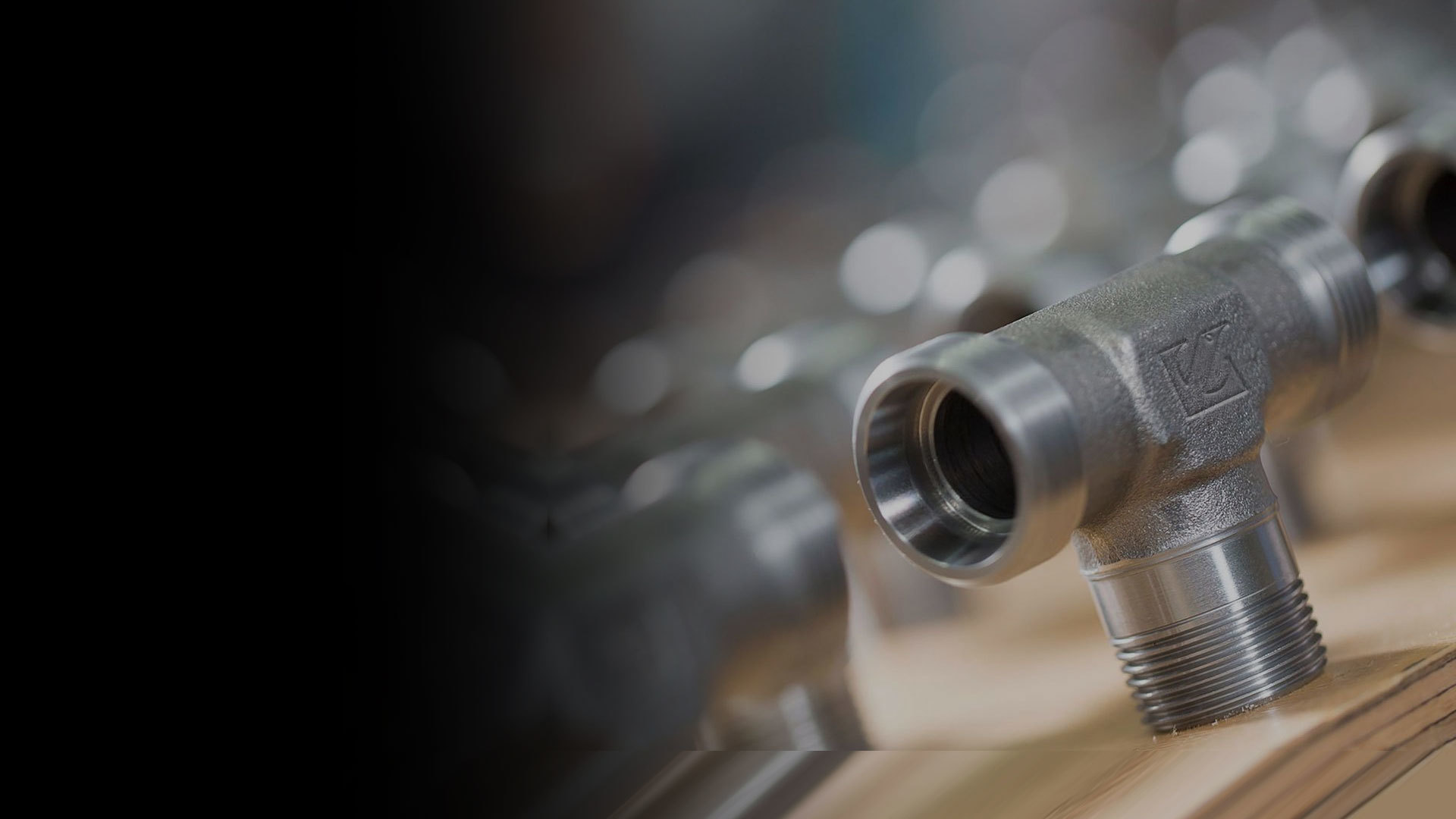
Understanding JIC74* Cone Flared Tube Fittings: Essential Components for Hydraulic Systems
--- In the realm of hydraulic systems, the importance of reliable and efficient connections cannot be overstated. One such critical component is the JIC74* cone flared tube fitting. These fittings serve as a vital link between different parts of hydraulic machinery, ensuring the safe and effective transfer of fluids under high pressure. To better understand their role, let’s delve into the specifi
Date:
2026/08/08
Share:


---
In the realm of hydraulic systems, the importance of reliable and efficient connections cannot be overstated. One such critical component is the JIC74* cone flared tube fitting. These fittings serve as a vital link between different parts of hydraulic machinery, ensuring the safe and effective transfer of fluids under high pressure. To better understand their role, let’s delve into the specifics of JIC74* cone flared tube fittings.
The term "JIC" stands for Joint Industry Council, which is a standard that was developed to provide a uniform method for hydraulic connection. The "74*" in JIC74* refers to the specific design characteristic of these fittings, which feature a 37-degree cone flare. This design promotes a tight seal that can withstand significant pressures, making it ideal for use in hydraulic applications.
One of the primary advantages of JIC74* cone flared tube fittings is their ease of assembly. They typically consist of two main components: the fitting itself and a matching tube. When these components are joined, the 37-degree flare creates a strong mechanical connection that can handle the dynamic forces found in hydraulic systems. This ensures that there is minimal risk of leakage, which can be detrimental to both equipment and operational safety.
Another key feature of JIC74* fittings is their versatility. They are compatible with a variety of tube materials, including steel and stainless steel, thereby catering to diverse industrial needs. This adaptability makes them a preferred choice across many sectors, from manufacturing to automotive, where fluid transfer is essential.
In addition to their robust design and versatility, JIC74* cone flared tube fittings are also known for their durability. They are typically manufactured from high-quality materials that resist corrosion and wear, ensuring a long service life. This durability is particularly crucial in harsh operating environments, where exposure to extreme temperatures or corrosive fluids is common.
When selecting JIC74* fittings, it’s important to consider factors such as the tube size, material compatibility, and the specific pressure requirements of the application. Proper installation is equally essential; ensuring that the fittings are correctly tightened and aligned will help maintain the integrity of the connection and prevent leaks.
In summary, JIC74* cone flared tube fittings are integral components in hydraulic systems, providing reliable, high-pressure connections. Their unique design, ease of use, and compatibility with various materials make them a staple in the industrial equipment sector. As industries continue to evolve, the importance of such reliable fittings becomes increasingly clear, ensuring that hydraulic systems operate efficiently and safely. Whether you're designing a new system or maintaining existing machinery, understanding the role of JIC74* fittings is crucial for optimal performance.
In the realm of hydraulic systems, the importance of reliable and efficient connections cannot be overstated. One such critical component is the JIC74* cone flared tube fitting. These fittings serve as a vital link between different parts of hydraulic machinery, ensuring the safe and effective transfer of fluids under high pressure. To better understand their role, let’s delve into the specifics of JIC74* cone flared tube fittings.
The term "JIC" stands for Joint Industry Council, which is a standard that was developed to provide a uniform method for hydraulic connection. The "74*" in JIC74* refers to the specific design characteristic of these fittings, which feature a 37-degree cone flare. This design promotes a tight seal that can withstand significant pressures, making it ideal for use in hydraulic applications.
One of the primary advantages of JIC74* cone flared tube fittings is their ease of assembly. They typically consist of two main components: the fitting itself and a matching tube. When these components are joined, the 37-degree flare creates a strong mechanical connection that can handle the dynamic forces found in hydraulic systems. This ensures that there is minimal risk of leakage, which can be detrimental to both equipment and operational safety.
Another key feature of JIC74* fittings is their versatility. They are compatible with a variety of tube materials, including steel and stainless steel, thereby catering to diverse industrial needs. This adaptability makes them a preferred choice across many sectors, from manufacturing to automotive, where fluid transfer is essential.
In addition to their robust design and versatility, JIC74* cone flared tube fittings are also known for their durability. They are typically manufactured from high-quality materials that resist corrosion and wear, ensuring a long service life. This durability is particularly crucial in harsh operating environments, where exposure to extreme temperatures or corrosive fluids is common.
When selecting JIC74* fittings, it’s important to consider factors such as the tube size, material compatibility, and the specific pressure requirements of the application. Proper installation is equally essential; ensuring that the fittings are correctly tightened and aligned will help maintain the integrity of the connection and prevent leaks.
In summary, JIC74* cone flared tube fittings are integral components in hydraulic systems, providing reliable, high-pressure connections. Their unique design, ease of use, and compatibility with various materials make them a staple in the industrial equipment sector. As industries continue to evolve, the importance of such reliable fittings becomes increasingly clear, ensuring that hydraulic systems operate efficiently and safely. Whether you're designing a new system or maintaining existing machinery, understanding the role of JIC74* fittings is crucial for optimal performance.
Related News
206 Zhangyi Road, Zhangting Town, Yuyao City, Zhejiang Province, China