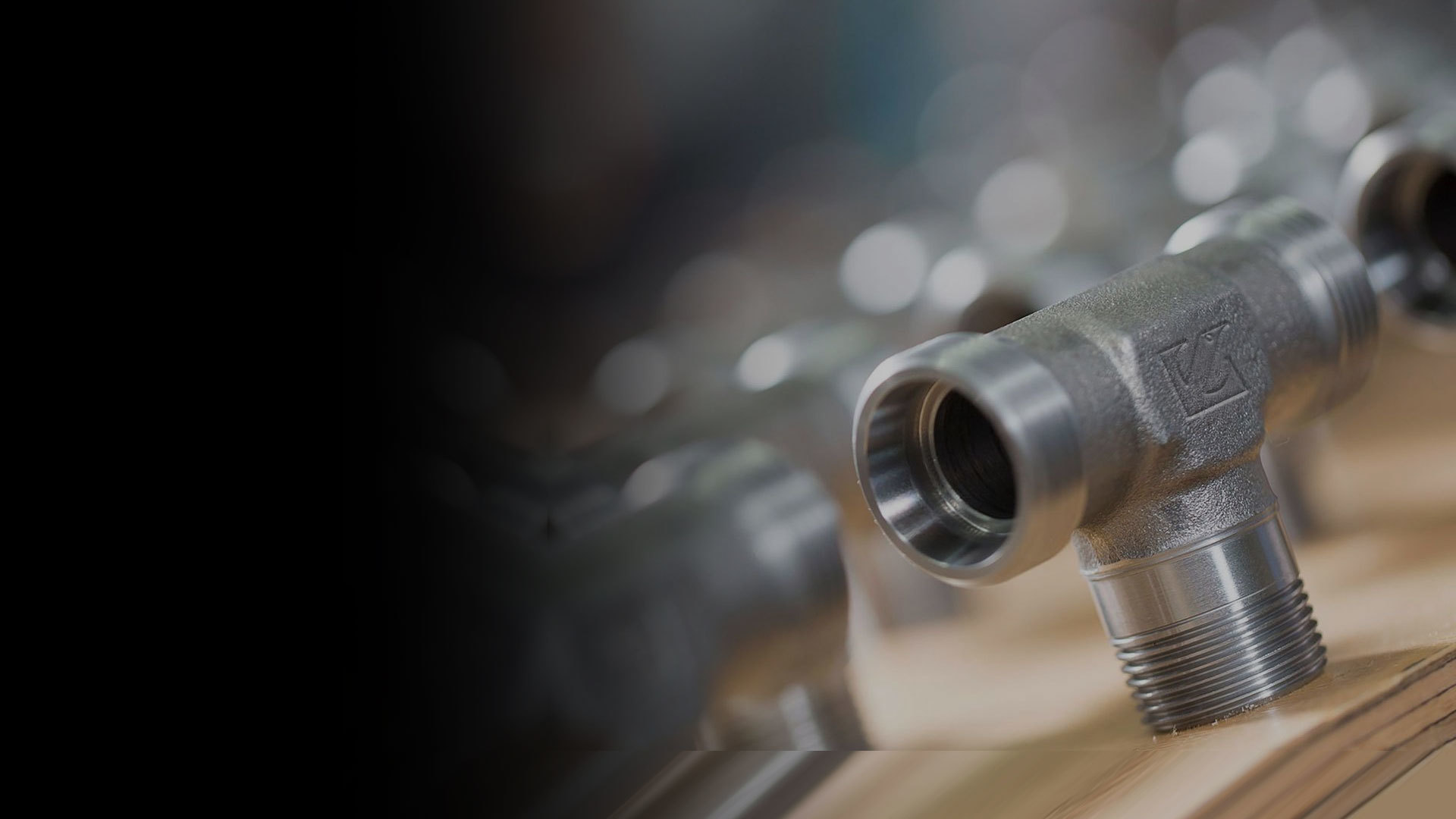
Comparing DIN Bite Type Tube Fittings with Other Connection Types: A Comprehensive Guide
Comparing DIN Bite Type Tube Fittings with Other Connection Types In the world of hydraulic machinery and components, the choice of fittings can significantly impact the efficiency and reliability of the system. DIN bite type tube fittings stand out among various connection types, offering unique advantages. In this comprehensive article, we will explore the characteristics of DIN bite type tube f
Date:
2026/08/12
Share:


Comparing DIN Bite Type Tube Fittings with Other Connection Types
In the world of hydraulic machinery and components, the choice of fittings can significantly impact the efficiency and reliability of the system. DIN bite type tube fittings stand out among various connection types, offering unique advantages. In this comprehensive article, we will explore the characteristics of DIN bite type tube fittings, compare them with other connection types, and guide you through making the best choice for your hydraulic applications.
Table of Contents
1. Introduction to Tube Fittings
2. What Are DIN Bite Type Tube Fittings?
2.1 Features of DIN Bite Type Tube Fittings
2.2 Applications of DIN Bite Type Tube Fittings
3. Overview of Other Connection Types
3.1 Compression Fittings
3.2 Welded Fittings
3.3 Flared Fittings
3.4 Quick Disconnect Fittings
4. Comparing Advantages and Disadvantages
4.1 Strength and Durability
4.2 Leak Resistance
4.3 Ease of Installation
4.4 Cost Considerations
5. Selecting the Right Fitting for Your Needs
6. FAQs about DIN Bite Type Tube Fittings
7. Conclusion
1. Introduction to Tube Fittings
Tube fittings are essential components in hydraulic systems, acting as the junctions where hoses, pipes, and tubes connect. They must withstand high pressure and provide leak-proof connections to ensure system efficiency. As industries evolve, the demand for reliable and versatile fittings has led to the development of various connection types, including DIN bite type tube fittings.
2. What Are DIN Bite Type Tube Fittings?
DIN bite type tube fittings are designed to provide a secure and leak-proof connection in hydraulic systems. They utilize a “bite” mechanism, which grips the tube as the fitting is tightened, creating a strong seal.
2.1 Features of DIN Bite Type Tube Fittings
One of the standout features of DIN bite type fittings is their ability to accommodate a broad range of tube sizes and materials, making them versatile across various applications. The fittings are typically made from high-quality materials like stainless steel or carbon steel, ensuring durability and resistance to corrosion. They also come with a smooth bore, reducing turbulence and improving flow rates.
2.2 Applications of DIN Bite Type Tube Fittings
These fittings are widely used in industries such as construction, manufacturing, and automotive. Their reliability makes them ideal for hydraulic systems that demand high pressure and fluid flow, such as presses, excavators, and other machinery where performance is critical.
3. Overview of Other Connection Types
While DIN bite type tube fittings are popular, several other connection types are available, each with unique features and applications.
3.1 Compression Fittings
Compression fittings provide a straightforward method of joining tubes and pipes. They consist of a nut, a ring, and a body that compresses the ring around the tube, creating a seal. They are widely used in plumbing and gas applications due to their ease of installation.
3.2 Welded Fittings
Welded fittings are permanently joined to the tubing through welding techniques. They provide a very strong and leak-proof connection but require specialized equipment and skills to install. They are commonly used in high-pressure applications where reliability is critical.
3.3 Flared Fittings
Flared fittings involve creating a flare at the end of the tubing, which fits into a matching flare seat in the fitting. This design provides a strong connection and is often used in refrigeration and automotive systems.
3.4 Quick Disconnect Fittings
Quick disconnect fittings allow for rapid connection and disconnection of tubes without the need for tools. They are popular in applications where flexibility is required, such as in hydraulic machinery where components may need to be frequently changed.
4. Comparing Advantages and Disadvantages
When evaluating DIN bite type tube fittings against other connection types, several factors come into play.
4.1 Strength and Durability
DIN bite type fittings are known for their robust design, which provides excellent strength and durability under high-pressure conditions. In comparison, while welded fittings offer unmatched strength, they lack the flexibility of bite type fittings, which can be disassembled if needed.
4.2 Leak Resistance
Leak resistance is a primary concern in any hydraulic system. DIN bite type fittings excel in this area, thanks to their gripping mechanism, which creates a tight seal. Compression and flared fittings also provide good leak resistance but may require more maintenance over time.
4.3 Ease of Installation
DIN bite type fittings are relatively easy to install, requiring minimal tools. Compression fittings can also be installed easily, while welded fittings demand significant time and skill. Quick disconnect fittings are the easiest to use, allowing for rapid assembly and disassembly.
4.4 Cost Considerations
While the initial cost of DIN bite type fittings may be higher than that of compression fittings, their durability and reliability often outweigh the upfront investment. Welded fittings, although durable, can incur higher initial installation costs due to the need for skilled labor and equipment.
5. Selecting the Right Fitting for Your Needs
Choosing the right fitting depends on several factors, including the specific application, pressure requirements, and installation environment. For environments with high pressure and fluid flow, DIN bite type tube fittings are often the best choice due to their reliability and ease of installation. On the other hand, if your project requires frequent disconnection, quick disconnect fittings may be more appropriate.
6. FAQs about DIN Bite Type Tube Fittings
**Q1: Are DIN bite type tube fittings reusable?**
Yes, DIN bite type tube fittings can be reused if they are not damaged during disassembly. However, it is essential to inspect them for wear before reinstallation.
**Q2: Can DIN bite type fittings be used with different tube materials?**
Yes, DIN bite type fittings are versatile and can accommodate various materials, including stainless steel, copper, and plastic tubes.
**Q3: How do I know the right size for my DIN bite type fitting?**
To determine the appropriate size, measure the outer diameter of the tube you intend to connect and refer to the fitting specifications.
**Q4: What maintenance do DIN bite type fittings require?**
Regular inspection for wear and tear is essential. Check for leaks and ensure the fittings are tightly secured to maintain optimal performance.
**Q5: Can DIN bite type fittings be used in high-temperature environments?**
Yes, many DIN bite type fittings are designed to withstand high temperatures; however, it’s crucial to choose materials rated for the specific temperature range of your application.
7. Conclusion
In conclusion, DIN bite type tube fittings offer remarkable advantages for hydraulic systems, providing robust, leak-proof connections that accommodate various applications. By understanding the characteristics of these fittings and comparing them to other connection types such as compression, welded, flared, and quick disconnect fittings, you can make informed decisions that optimize your hydraulic machinery's performance. Ultimately, the right choice will depend on specific project requirements, environmental conditions, and the need for flexibility and reliability.
Related News
206 Zhangyi Road, Zhangting Town, Yuyao City, Zhejiang Province, China