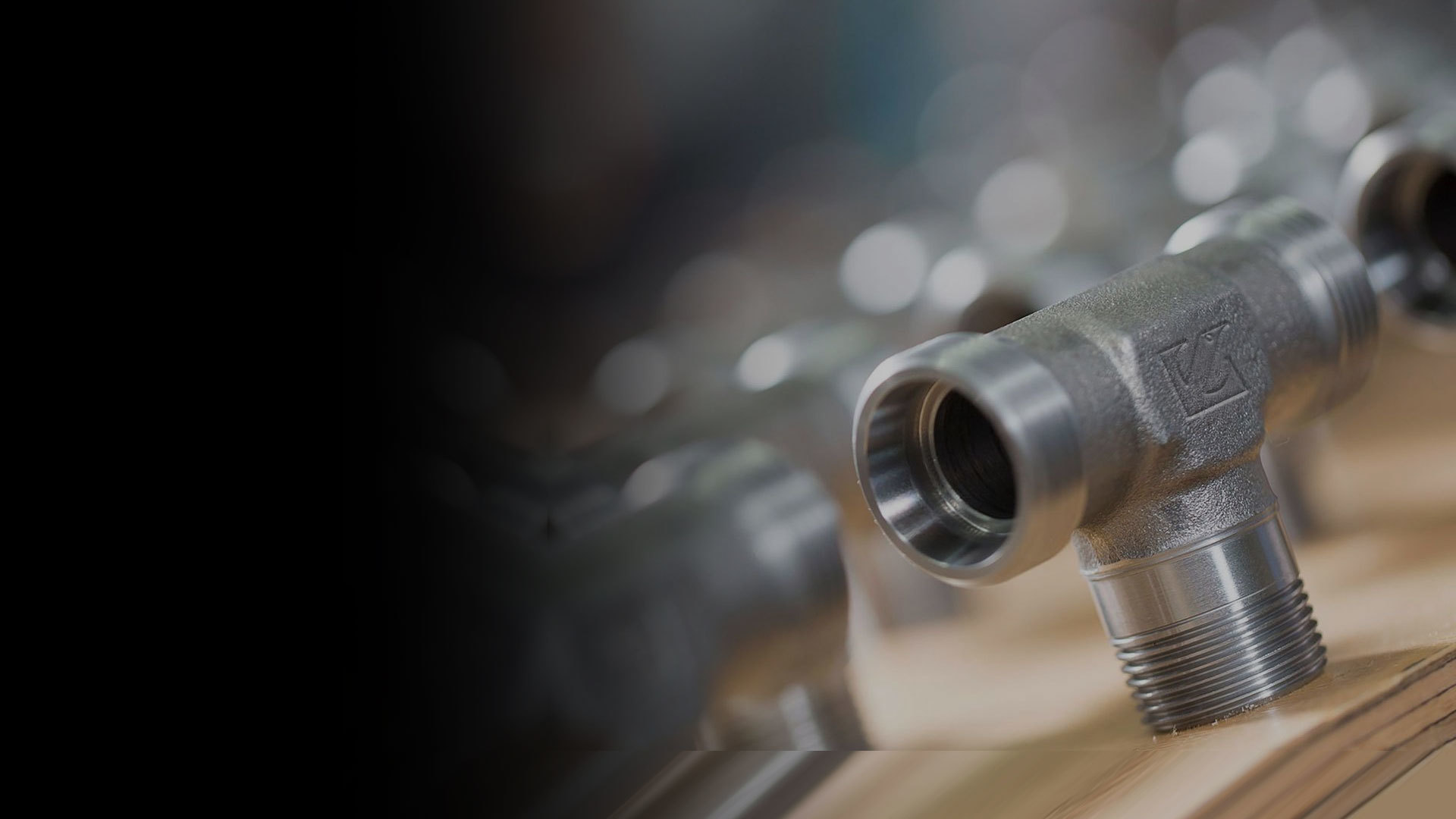
Understanding Tee Hydraulic Fittings: Essential Components for Fluid Power Systems
When it comes to fluid power systems, tee hydraulic fittings are indispensable components that facilitate the effective distribution of hydraulic fluids. These fittings, characterized by their T-shaped design, allow for the branching of hydraulic lines, enabling fluid to flow in multiple directions from a single source. Understanding the significance of tee hydraulic fittings, along with their var
Date:
2026/09/23
Share:


When it comes to fluid power systems, tee hydraulic fittings are indispensable components that facilitate the effective distribution of hydraulic fluids. These fittings, characterized by their T-shaped design, allow for the branching of hydraulic lines, enabling fluid to flow in multiple directions from a single source. Understanding the significance of tee hydraulic fittings, along with their various applications and advantages, is essential for those involved in the industrial equipment and hydraulic components industry.
One of the primary functions of tee hydraulic fittings is to create a connection point for three hoses or pipes. This ability to branch allows for greater flexibility in system design and helps optimize the flow of hydraulic fluid. Whether used in machinery, construction equipment, or automotive applications, tee fittings ensure that hydraulic systems operate efficiently by allowing multiple paths for fluid movement.
Tee hydraulic fittings come in different materials, such as steel, stainless steel, and plastic, each suited for specific applications based on factors like pressure requirements, corrosion resistance, and temperature conditions. Selecting the right material is crucial, as it directly impacts the durability and longevity of the fitting within the hydraulic system. For instance, stainless steel is often chosen for environments where resistance to corrosion is essential, while steel fittings are common in heavy-duty applications.
Installation of tee hydraulic fittings is relatively straightforward, but it requires careful attention to detail. Ensuring proper alignment and tightening during the installation process is vital to prevent leaks and maintain optimal performance. It’s also important to regularly inspect these fittings as part of routine maintenance, as wear and tear can lead to fluid leaks, which can compromise system efficiency and safety.
Another significant advantage of tee hydraulic fittings is their ability to simplify system design. By allowing fluid to be directed to multiple lines from a single point, engineers can create more compact and efficient hydraulic circuits. This design flexibility is especially beneficial in applications where space is limited or where multiple operations must occur simultaneously.
In conclusion, tee hydraulic fittings are essential components in the realm of hydraulic systems, providing versatile solutions for fluid distribution. Their variety of materials, ease of installation, and contribution to efficient system design make them invaluable in industrial applications. Understanding their role and benefits can significantly enhance the performance and reliability of hydraulic machinery and equipment, ensuring that your operations run smoothly and effectively. Whether you are an engineer, a maintenance technician, or a business owner, having a solid grasp of tee hydraulic fittings will prove beneficial in optimizing your fluid power systems.
One of the primary functions of tee hydraulic fittings is to create a connection point for three hoses or pipes. This ability to branch allows for greater flexibility in system design and helps optimize the flow of hydraulic fluid. Whether used in machinery, construction equipment, or automotive applications, tee fittings ensure that hydraulic systems operate efficiently by allowing multiple paths for fluid movement.
Tee hydraulic fittings come in different materials, such as steel, stainless steel, and plastic, each suited for specific applications based on factors like pressure requirements, corrosion resistance, and temperature conditions. Selecting the right material is crucial, as it directly impacts the durability and longevity of the fitting within the hydraulic system. For instance, stainless steel is often chosen for environments where resistance to corrosion is essential, while steel fittings are common in heavy-duty applications.
Installation of tee hydraulic fittings is relatively straightforward, but it requires careful attention to detail. Ensuring proper alignment and tightening during the installation process is vital to prevent leaks and maintain optimal performance. It’s also important to regularly inspect these fittings as part of routine maintenance, as wear and tear can lead to fluid leaks, which can compromise system efficiency and safety.
Another significant advantage of tee hydraulic fittings is their ability to simplify system design. By allowing fluid to be directed to multiple lines from a single point, engineers can create more compact and efficient hydraulic circuits. This design flexibility is especially beneficial in applications where space is limited or where multiple operations must occur simultaneously.
In conclusion, tee hydraulic fittings are essential components in the realm of hydraulic systems, providing versatile solutions for fluid distribution. Their variety of materials, ease of installation, and contribution to efficient system design make them invaluable in industrial applications. Understanding their role and benefits can significantly enhance the performance and reliability of hydraulic machinery and equipment, ensuring that your operations run smoothly and effectively. Whether you are an engineer, a maintenance technician, or a business owner, having a solid grasp of tee hydraulic fittings will prove beneficial in optimizing your fluid power systems.
Related News
206 Zhangyi Road, Zhangting Town, Yuyao City, Zhejiang Province, China