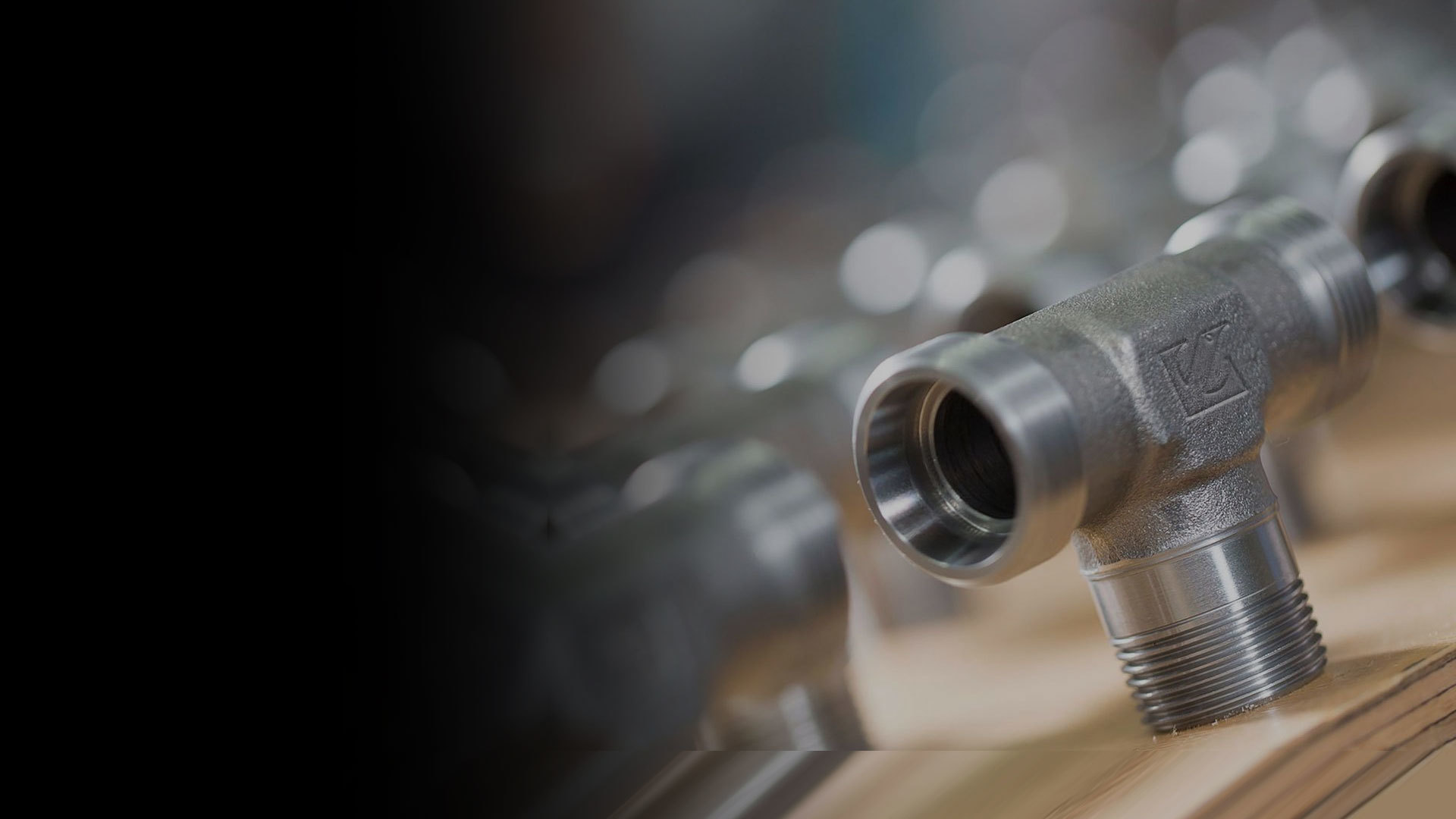
Top Applications for JIC74 Cone Flared Tube Fittings in Hydraulic Machinery
Top Applications for JIC74 Cone Flared Tube Fittings in Hydraulic Machinery Hydraulic machinery is essential in numerous industrial applications, powering everything from construction equipment to manufacturing lines. At the heart of these systems lie critical components that ensure fluid transfer and operational efficiency. One such component is the **JIC74 cone flared tube fitting**. Understandi
Date:
2026/09/26
Share:


Top Applications for JIC74 Cone Flared Tube Fittings in Hydraulic Machinery
Hydraulic machinery is essential in numerous industrial applications, powering everything from construction equipment to manufacturing lines. At the heart of these systems lie critical components that ensure fluid transfer and operational efficiency. One such component is the **JIC74 cone flared tube fitting**. Understanding its applications, benefits, and how it enhances hydraulic systems is vital for engineers and industry professionals.
Understanding JIC74 Cone Flared Tube Fittings
JIC74 cone flared tube fittings are designed for high-pressure hydraulic applications. They connect tubes and hoses securely, ensuring that fluids flow smoothly and without leaks. The distinctive cone shape allows for a tight seal when connected, making them invaluable in environments where pressure and reliability are paramount.
Features of JIC74 Cone Flared Tube Fittings
To appreciate the applications of JIC74 fittings, it’s important to highlight their key features:
- **High Pressure Tolerance**: JIC74 fittings can withstand high pressures, making them suitable for demanding hydraulic systems.
- **Corrosion Resistance**: Most fittings are manufactured from corrosion-resistant materials, ensuring longevity in various environments.
- **Easy Assembly**: The design allows for quick assembly and disassembly, facilitating maintenance and repairs.
- **Versatile Compatibility**: These fittings are compatible with different tubing materials, enhancing their usability across various systems.
Primary Applications of JIC74 Cone Flared Tube Fittings
JIC74 cone flared tube fittings find extensive use in several applications within hydraulic machinery. Here, we explore the top applications where these fittings excel.
1. Construction Machinery
In construction machinery, reliable hydraulic systems are crucial for efficient operation. JIC74 fittings are often used in excavators, bulldozers, and cranes, ensuring that hydraulic fluid transfers occur without interruption. The durability and secure connections provided by these fittings help minimize downtime and enhance productivity on job sites.
2. Agricultural Equipment
Agricultural machinery relies heavily on hydraulic systems to power implements. JIC74 fittings are commonly found in tractors, harvesters, and plows. The ability to handle high pressures makes these fittings ideal for systems that require significant force to operate hydraulic cylinders and motors.
3. Industrial Manufacturing Machines
In manufacturing environments, hydraulic machinery plays a pivotal role in automation processes. JIC74 cone flared tube fittings are used in presses, injection molding machines, and conveyor systems. Their reliable performance ensures that the hydraulic systems function efficiently, leading to increased production rates and reduced operational costs.
4. Marine Applications
The marine industry also benefits from the use of JIC74 fittings. In boats and ships, hydraulic systems are utilized for steering, lifting, and controlling various mechanisms. The corrosion-resistant nature of these fittings makes them perfect for marine environments, where exposure to saltwater and humidity is prevalent.
5. Automotive Applications
The automotive sector utilizes hydraulic systems in various areas, from braking systems to power steering. JIC74 fittings provide secure connections that are essential for the safe operation of automotive hydraulic systems. Their reliability contributes to vehicle performance and safety.
Benefits of Using JIC74 Cone Flared Tube Fittings
The advantages of using JIC74 cone flared tube fittings extend beyond their applications. Understanding these benefits can assist professionals in making informed choices about component selection.
Enhanced Fluid Flow
The cone design of JIC74 fittings allows for optimized fluid flow, reducing turbulence and pressure drops in hydraulic systems. This enhancement leads to better overall system efficiency.
Improved Leak Prevention
The secure fit provided by JIC74 fittings minimizes the risk of leaks, which is critical in maintaining hydraulic fluid integrity. This reliability translates to lower maintenance costs and increased safety in machinery operation.
Cost-Effectiveness
While the initial investment in JIC74 fittings may be higher than other types, their durability and performance lead to long-term savings. Reduced maintenance and downtime make them a cost-effective choice for hydraulic systems.
Choosing the Right JIC74 Cone Flared Tube Fittings
Selecting the appropriate JIC74 fittings for a particular application is crucial for optimal performance. Here are key considerations when making a choice:
1. Material Compatibility
Ensure that the material of the fitting is compatible with the hydraulic fluid being used. This compatibility helps prevent chemical reactions that could lead to premature failure.
2. Pressure Ratings
Evaluate the pressure requirements of your hydraulic system. Choose fittings that exceed the maximum pressure to ensure safety and reliability.
3. Size and Configuration
The size of the fitting must match the tubing or hose being used. Correct sizing prevents flow restrictions and ensures optimal performance.
Maintenance Tips for JIC74 Cone Flared Tube Fittings
Proper maintenance is essential to maximize the life and performance of JIC74 fittings. Here are some valuable maintenance tips:
1. Regular Inspections
Conduct regular inspections of the fittings for signs of wear, corrosion, or damage. Early detection can prevent costly failures.
2. Tightening Connections
Ensure that connections are tight but avoid over-tightening, which can damage the fitting or tubing.
3. Cleanliness is Key
Keep the fittings clean to prevent contaminants from entering the hydraulic system. Contaminants can lead to premature wear and system failures.
The Future of JIC74 Cone Flared Tube Fittings in Hydraulic Systems
As technology advances, the design and materials used in JIC74 fittings are also evolving. Innovations may include:
1. Advanced Materials
The introduction of new materials may enhance the durability and performance of JIC74 fittings, making them even more suitable for extreme conditions.
2. Smart Sensors
Integration of smart sensors into hydraulic systems can provide real-time data about the performance of fittings, alerting users to potential issues before they become critical.
3. Sustainability Initiatives
With an increasing focus on sustainability, manufacturers may develop eco-friendly materials and processes for producing JIC74 fittings, aligning with global efforts to reduce environmental impact.
Frequently Asked Questions (FAQs)
1. What are the main uses of JIC74 cone flared tube fittings?
JIC74 fittings are primarily used in construction machinery, agricultural equipment, industrial manufacturing machines, marine applications, and automotive systems.
2. How do I know which size JIC74 fitting to choose?
Select a fitting size that matches the tubing or hose specifications to ensure proper fit and performance.
3. Are JIC74 fittings resistant to corrosion?
Yes, most JIC74 fittings are made from corrosion-resistant materials, making them suitable for various environments, including marine applications.
4. Can I reuse JIC74 fittings?
While JIC74 fittings can be reused, it is essential to inspect them for any signs of wear or damage before reinstallation.
5. What maintenance is required for JIC74 fittings?
Regular inspections, ensuring tight connections, and keeping fittings clean are crucial for maintaining the performance and longevity of JIC74 fittings.
Conclusion
JIC74 cone flared tube fittings play a significant role in the hydraulic machinery sector, offering enhanced reliability, efficient fluid flow, and leak prevention. Their diverse applications across various industries highlight their importance in ensuring the smooth operation of hydraulic systems. By understanding their features, benefits, and maintenance needs, professionals can make informed choices that enhance system performance and longevity. As we look to the future, ongoing advancements in material science and technology promise to further improve the efficacy and sustainability of these essential components in hydraulic machinery.
Related News
206 Zhangyi Road, Zhangting Town, Yuyao City, Zhejiang Province, China