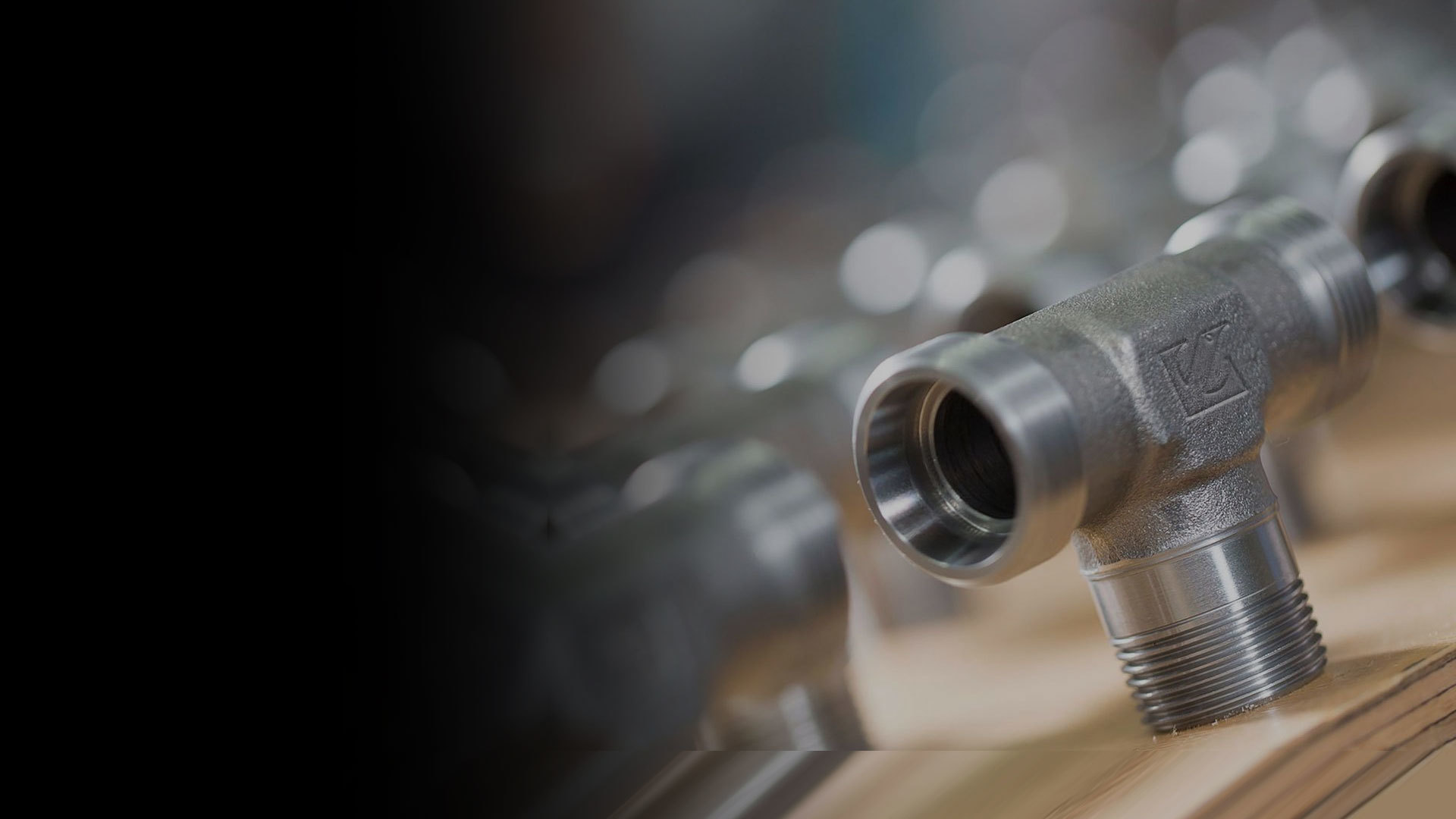
Understanding the Importance of Metric Thread Fittings in Industrial Equipment
Understanding the Importance of Metric Thread Fittings in Industrial Equipment Table of Contents Introduction to Metric Thread Fittings What Are Metric Thread Fittings? Types of Metric Thread Fittings Applications of Metric Thread Fittings in Industrial Equipment Benefits of Using Metric Thread Fittings Installation and Maintenance of Metric Thread Fittings Common Issu
Date:
2026/10/02
Share:


Understanding the Importance of Metric Thread Fittings in Industrial Equipment
Table of Contents
- Introduction to Metric Thread Fittings
- What Are Metric Thread Fittings?
- Types of Metric Thread Fittings
- Applications of Metric Thread Fittings in Industrial Equipment
- Benefits of Using Metric Thread Fittings
- Installation and Maintenance of Metric Thread Fittings
- Common Issues with Metric Thread Fittings and Their Solutions
- Conclusion
- Frequently Asked Questions (FAQs)
Introduction to Metric Thread Fittings
In the realm of **industrial equipment**, the precision and reliability of components can significantly influence the overall efficiency and safety of operations. **Metric thread fittings** stand out as essential elements in this context, providing a robust solution for connecting various parts of industrial machinery. Their importance cannot be overstated as they ensure leak-free operations, enhance structural integrity, and facilitate efficient assembly and disassembly processes.
This article delves into the intricacies of metric thread fittings, exploring their types, applications, benefits, and common challenges faced during installation and maintenance.
What Are Metric Thread Fittings?
Metric thread fittings are connection components designed with a standardized metric thread profile. These fittings are measured in millimeters and are widely adopted in various industries worldwide due to their uniformity and compatibility. The metric system simplifies design and engineering processes, ensuring that components fit seamlessly without the complexities often associated with non-metric systems.
Characteristics of Metric Thread Fittings
- **Precision Engineering**: Metric thread fittings are manufactured to strict tolerances, ensuring high-quality performance.
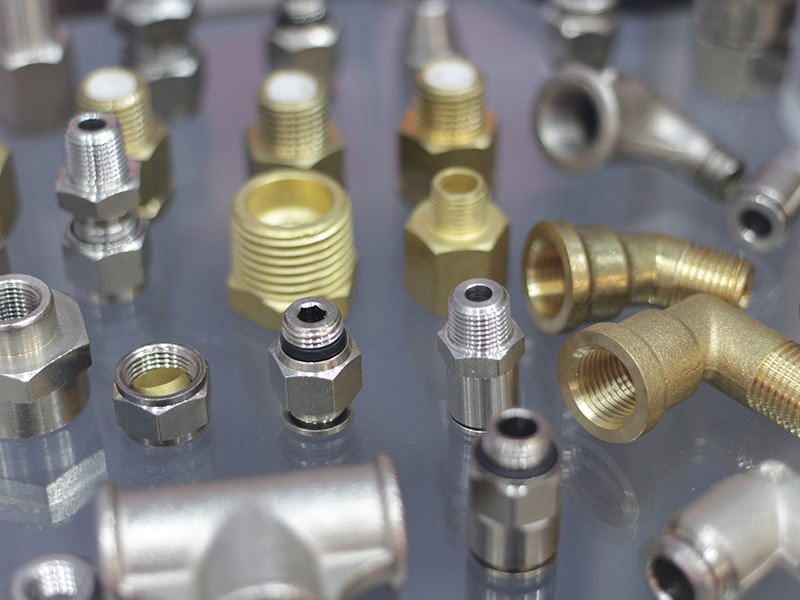
- **Material Variety**: Available in various materials, such as stainless steel, brass, and plastic, they cater to diverse environmental conditions.
- **Standardization**: The international metric standard facilitates global trade and compatibility among different equipment.
Types of Metric Thread Fittings
The variety of metric thread fittings available caters to the diverse needs of industrial applications. Here are some common types:
1. Metric Hexagonal Fittings
These fittings feature a hexagonal shape, allowing easy gripping with tools for installation and removal. They are commonly used in fluid and gas applications.
2. Metric Elbow Fittings
Elbow fittings enable directional changes in piping systems, essential for maximizing space and optimizing flow paths.
3. Metric Tee Fittings
Tee fittings allow connections between three pipes, enabling branching in fluid systems. They are crucial in complex industrial networks.
4. Metric Couplings
These fittings connect two pipes or hoses, facilitating extended runs and ensuring seamless transitions.
5. Metric Adapters
Adapters bridge the gap between different thread types or sizes, ensuring compatibility across various components in an industrial setup.
Applications of Metric Thread Fittings in Industrial Equipment
Metric thread fittings find applications in numerous industrial sectors, including:
1. Automotive Industry
In automotive manufacturing, metric fittings are integral to fuel systems, cooling systems, and hydraulic systems, ensuring safe and efficient vehicle operation.
2. Chemical Processing
Metric fittings are commonly used in chemical plants for transporting various substances, where leak prevention is critical for safety.
3. Food and Beverage Industry
In food processing, stainless steel metric fittings are preferred for their hygienic properties, preventing contamination during production.
4. HVAC Systems
Heating, ventilation, and air conditioning systems utilize metric fittings for fluid transport, ensuring efficient temperature regulation in buildings.
5. Construction Equipment
Heavy machinery and construction equipment rely on metric thread fittings for fluid connections, contributing to the reliable operation of hydraulic systems.
Benefits of Using Metric Thread Fittings
The adoption of metric thread fittings offers numerous advantages:
1. Enhanced Compatibility
Metric fittings provide a standardized approach, ensuring compatibility across various components and systems, reducing the risk of assembly errors.
2. Increased Efficiency
The precision of metric fittings minimizes leaks and failures, leading to improved operational efficiency and reduced downtime.
3. Simplified Maintenance
Standardization facilitates easier maintenance and replacement processes, saving time and costs associated with equipment downtime.
4. Improved Safety
The reliable design of metric fittings helps prevent leaks and failures, enhancing safety for personnel and equipment.
5. Cost-Effectiveness
While initial costs may vary, the long-term durability and reduced maintenance requirements make metric fittings a cost-effective choice in the industrial sector.
Installation and Maintenance of Metric Thread Fittings
Proper installation and maintenance of metric thread fittings are crucial for optimal performance. Here are some guidelines:
1. Installation Procedure
- **Clean Threads**: Ensure that the threads of both fittings are free from debris and contaminants.
- **Apply Thread Sealant**: Use appropriate thread sealant to enhance leak protection, if necessary.
- **Tightening Torque**: Follow manufacturer specifications for tightening torque to avoid damage or failure.
2. Regular Maintenance Practices
- **Inspection**: Regularly inspect fittings for signs of wear, corrosion, or leaks.
- **Re-torque**: Periodically check and re-torque fittings as needed to maintain secure connections.
- **Replace Damaged Fittings**: Promptly replace any fittings showing signs of damage to prevent operational issues.
Common Issues with Metric Thread Fittings and Their Solutions
While metric thread fittings are designed for reliability, certain issues may arise. Here are common problems and their solutions:
1. Leaks
Leaks can occur due to improper installation or damaged threads. To resolve this, recheck the installation process, and replace any damaged components.
2. Corrosion
Corrosion can weaken fittings over time. Choose fittings made from corrosion-resistant materials suitable for the specific environment to prevent this issue.
3. Cross-Threading
Cross-threading during installation can lead to fitting damage. Always ensure proper alignment before tightening.
4. Over-tightening
Over-tightening can damage threads or fittings. Adhere to recommended torque specifications during installation.
Conclusion
Metric thread fittings play a vital role in the functionality and reliability of industrial equipment. Understanding their significance, types, applications, and proper maintenance can lead to improved operational efficiency and safety. By choosing the right metric fittings for your specific industrial needs, you can enhance your equipment’s performance and longevity, ultimately contributing to a more productive and cost-effective operation.
Frequently Asked Questions (FAQs)
1. What are metric thread fittings used for?
Metric thread fittings are used to connect various components in industrial equipment, ensuring leak-free operations and structural integrity.
2. How do I choose the right metric thread fitting?
Consider factors such as the application, material compatibility, and size requirements when selecting metric thread fittings for your projects.
3. Can metric and imperial thread fittings be used together?
While it is possible to use adapters for compatibility, it is generally advisable to stick to one system to ensure optimal performance.
4. How do I maintain metric thread fittings?
Regularly inspect for leaks or wear, clean threads before installation, and adhere to recommended tightening specifications.
5. What materials are metric thread fittings made from?
Common materials include stainless steel, brass, and plastic, each chosen based on specific application requirements and environmental conditions.
Related News
206 Zhangyi Road, Zhangting Town, Yuyao City, Zhejiang Province, China