Understanding BSP Cone Seal Fittings: Essential Insights for Hydraulic Applications
BSP cone seal fittings are designed for use in hydraulic systems, where they play a vital role in creating secure and leak-proof connections between various components. The term "BSP" refers to British Standard Pipe, which has become a widely accepted standard in numerous industrial applications globally. These fittings are characterized by a conical shape that allows for effective sealing, making
Date:
2026/10/05
Share:


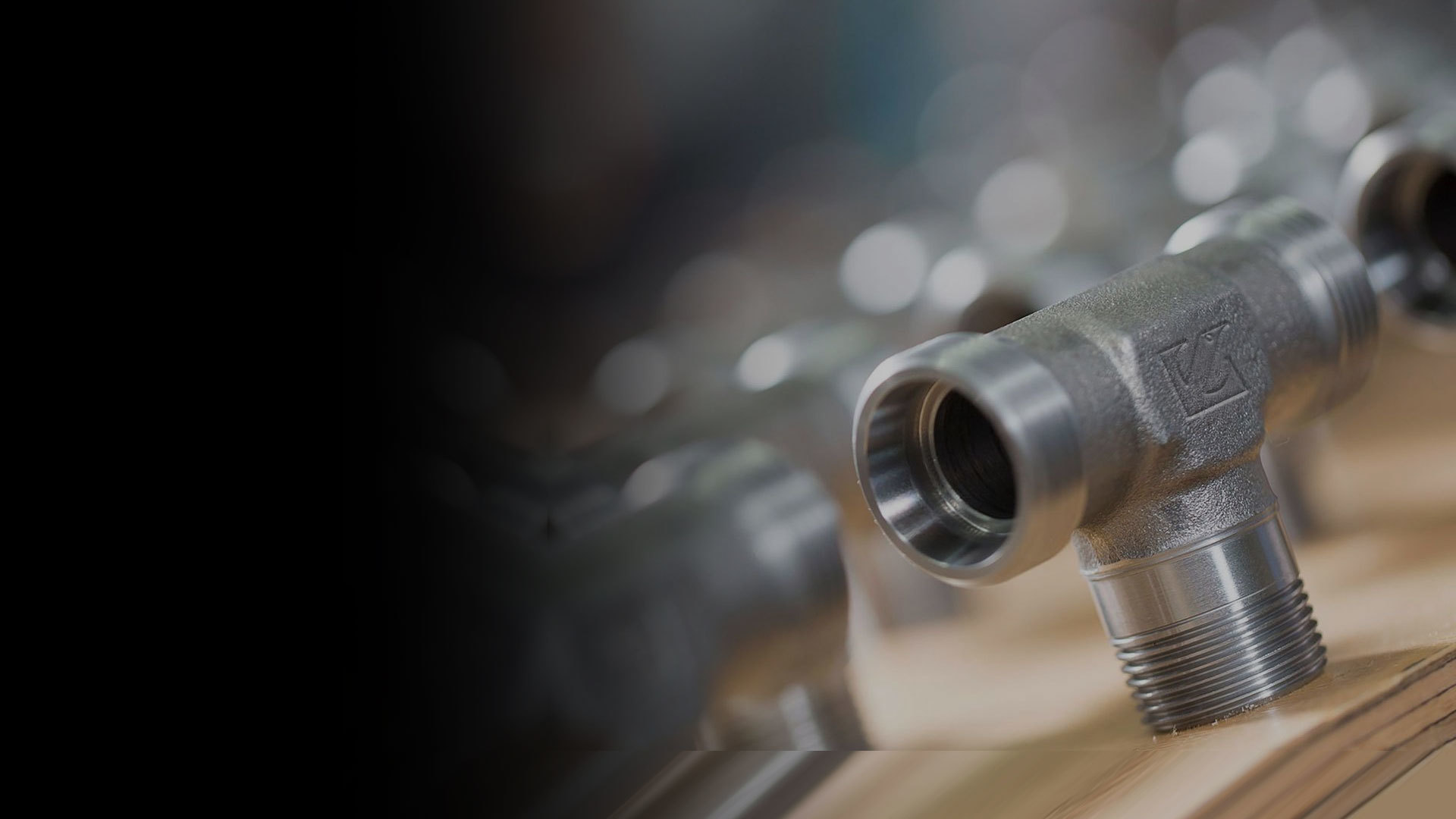
BSP cone seal fittings are designed for use in hydraulic systems, where they play a vital role in creating secure and leak-proof connections between various components. The term "BSP" refers to British Standard Pipe, which has become a widely accepted standard in numerous industrial applications globally. These fittings are characterized by a conical shape that allows for effective sealing, making them especially advantageous in high-pressure environments.
One of the primary benefits of BSP cone seal fittings is their ability to provide a reliable seal that prevents fluid leakage. This is particularly important in hydraulic applications, where even a small leak can lead to inefficiencies, increased maintenance costs, and potential safety hazards. The conical design allows for a tight fit when the fitting is tightened, ensuring that the connection remains secure under varying pressure conditions.
BSP cone seal fittings come in various sizes and materials, making them versatile for different applications. Common materials include brass, stainless steel, and carbon steel, each offering unique properties that cater to specific operational environments. For instance, brass fittings are often used for their corrosion resistance and durability, while stainless steel fittings are preferred for applications in corrosive environments due to their enhanced longevity.
When selecting BSP cone seal fittings, it is essential to consider factors such as the fluid type, operating pressure, and temperature range. Matching these parameters with the appropriate fittings will ensure optimal performance and longevity of the hydraulic system. Additionally, it is advisable to consult technical specifications and standards to ensure compatibility with existing components.
Installation and maintenance of BSP cone seal fittings also require attention to detail. Proper installation techniques, such as using the correct torque specifications and ensuring clean surfaces, can significantly enhance the performance of the fitting. Regular inspection for signs of wear or damage can help in early detection of potential issues, thereby prolonging the life of the hydraulic system.
In conclusion, BSP cone seal fittings are indispensable in the hydraulic industry, providing secure, leak-proof connections essential for efficient operation. By understanding their design, application, and installation requirements, professionals can ensure that their hydraulic systems operate at maximum efficiency and reliability. Whether you are involved in machinery manufacturing, maintenance, or engineering, incorporating high-quality BSP cone seal fittings into your operations is a step toward achieving exceptional performance in hydraulic applications.
One of the primary benefits of BSP cone seal fittings is their ability to provide a reliable seal that prevents fluid leakage. This is particularly important in hydraulic applications, where even a small leak can lead to inefficiencies, increased maintenance costs, and potential safety hazards. The conical design allows for a tight fit when the fitting is tightened, ensuring that the connection remains secure under varying pressure conditions.
BSP cone seal fittings come in various sizes and materials, making them versatile for different applications. Common materials include brass, stainless steel, and carbon steel, each offering unique properties that cater to specific operational environments. For instance, brass fittings are often used for their corrosion resistance and durability, while stainless steel fittings are preferred for applications in corrosive environments due to their enhanced longevity.
When selecting BSP cone seal fittings, it is essential to consider factors such as the fluid type, operating pressure, and temperature range. Matching these parameters with the appropriate fittings will ensure optimal performance and longevity of the hydraulic system. Additionally, it is advisable to consult technical specifications and standards to ensure compatibility with existing components.
Installation and maintenance of BSP cone seal fittings also require attention to detail. Proper installation techniques, such as using the correct torque specifications and ensuring clean surfaces, can significantly enhance the performance of the fitting. Regular inspection for signs of wear or damage can help in early detection of potential issues, thereby prolonging the life of the hydraulic system.
In conclusion, BSP cone seal fittings are indispensable in the hydraulic industry, providing secure, leak-proof connections essential for efficient operation. By understanding their design, application, and installation requirements, professionals can ensure that their hydraulic systems operate at maximum efficiency and reliability. Whether you are involved in machinery manufacturing, maintenance, or engineering, incorporating high-quality BSP cone seal fittings into your operations is a step toward achieving exceptional performance in hydraulic applications.
Related News
206 Zhangyi Road, Zhangting Town, Yuyao City, Zhejiang Province, China