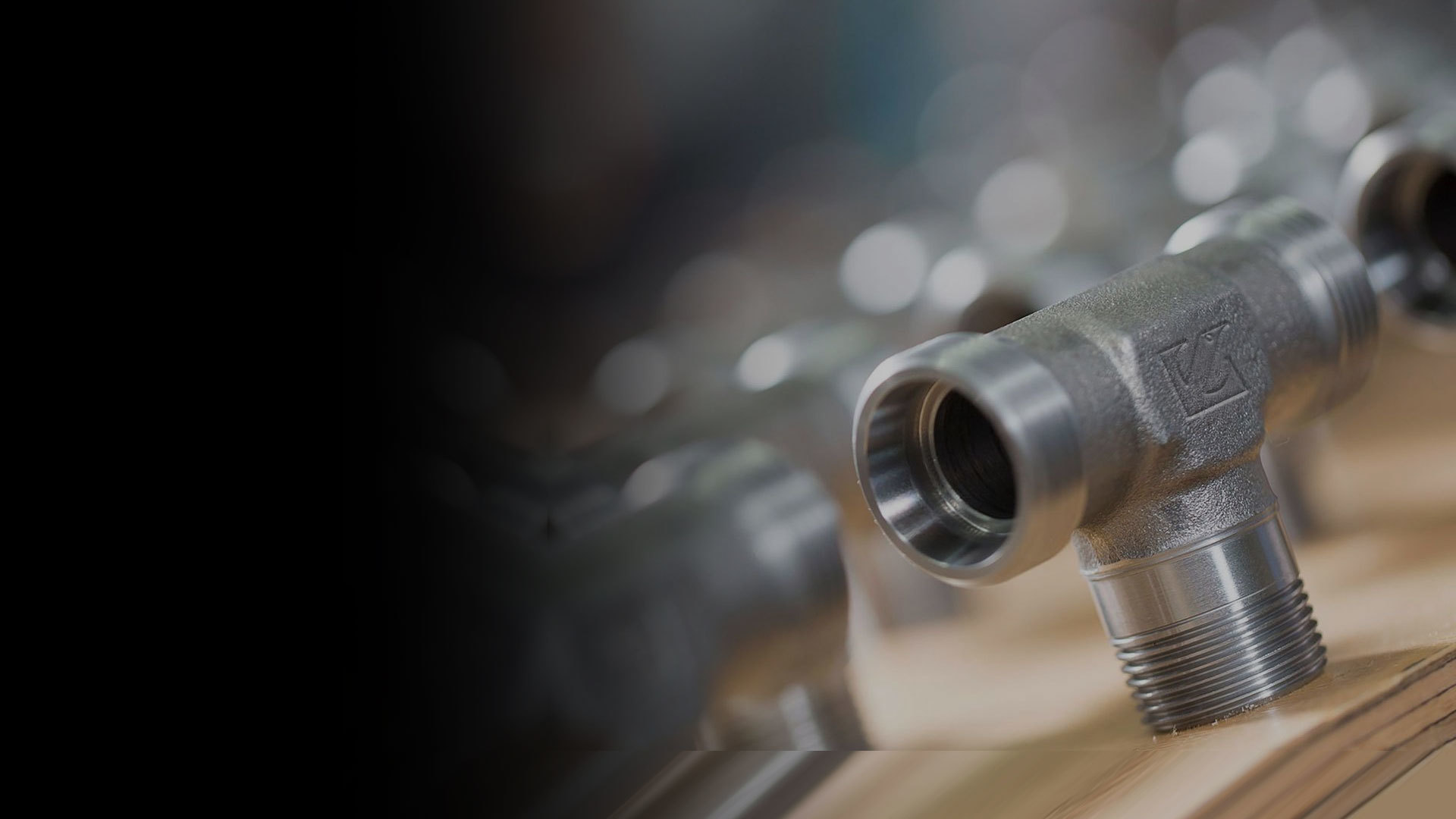
Common Mistakes When Using BSP Thread 60° Cone Fittings: A Comprehensive Guide
Common Mistakes When Using BSP Thread 60° Cone Fittings Table of Contents Introduction to BSP Thread 60° Cone Fittings Understanding BSP Threads and Their Importance Common Mistakes When Using BSP Thread 60° Cone Fittings Mistake #1: Incorrect Thread Selection Mistake #2: Failing to Inspect Fittings Mistake #3: Inadequate Torque Application
Date:
2026/10/08
Share:


Common Mistakes When Using BSP Thread 60° Cone Fittings
Table of Contents
- Introduction to BSP Thread 60° Cone Fittings
- Understanding BSP Threads and Their Importance
- Common Mistakes When Using BSP Thread 60° Cone Fittings
- Mistake #1: Incorrect Thread Selection
- Mistake #2: Failing to Inspect Fittings
- Mistake #3: Inadequate Torque Application
- Mistake #4: Ignoring Compatibility Issues
- Mistake #5: Poor Maintenance Practices
- Best Practices for Using BSP Thread 60° Cone Fittings
- Conclusion
- FAQs about BSP Thread 60° Cone Fittings
Introduction to BSP Thread 60° Cone Fittings
BSP (British Standard Pipe) thread fittings are essential components in various industrial applications, particularly in hydraulic systems. They are designed to provide a secure connection between pipes and fittings, ensuring fluid integrity and system efficiency. Among these fittings, the **60° cone fittings** stand out due to their unique design, which enhances sealing capabilities, especially in high-pressure environments. However, despite their advantages, users often encounter challenges that can lead to system failures or inefficiencies. This article aims to pinpoint common mistakes related to BSP Thread 60° Cone Fittings and offer insights on how to avoid them.
Understanding BSP Threads and Their Importance
Before delving into the common mistakes associated with BSP Thread 60° Cone Fittings, it is crucial to understand what these fittings are and the role they play in hydraulic systems. BSP threads are standardized screw threads used for joining pipes and fittings in various applications, particularly in the UK and Commonwealth countries. The 60° cone design provides a more effective sealing surface than traditional flat face fittings, reducing the risk of leaks and failures.
The significance of using the correct BSP fittings cannot be overstated. They not only ensure the safety and efficiency of your hydraulic systems but also impact the overall performance and longevity of your equipment. Choosing the right fittings, understanding their specifications, and applying them correctly are vital steps toward achieving optimal results.
Common Mistakes When Using BSP Thread 60° Cone Fittings
While BSP Thread 60° Cone Fittings are often reliable components, several common mistakes can lead to complications in their usage. This section outlines the most prevalent errors made by users, which can jeopardize their hydraulic systems.
Mistake #1: Incorrect Thread Selection
One of the most frequent mistakes when using BSP fittings is selecting the wrong thread type. BSP threads come in two primary forms: BSPP (parallel) and BSPT (tapered). Users may mistakenly interchange these two, leading to compatibility issues. BSPP fittings require a sealant to be leak-proof, while BSPT fittings seal by the interference of threads. Ensuring the correct thread type for your application is paramount to avoid pressure loss and leakage.
Mistake #2: Failing to Inspect Fittings
Neglecting to thoroughly inspect fittings before installation is another serious oversight. Users often assume that new fittings are free from defects or damage, which is not always the case. Scratches, dents, or corrosion can compromise the integrity of the fitting, leading to significant failures once the system is pressurized. Implementing a systematic inspection routine can prevent these unexpected issues from arising.
Mistake #3: Inadequate Torque Application
Proper torque application is critical when installing BSP Thread 60° Cone Fittings. Many users either over-tighten or under-tighten fittings, both of which can lead to problems. Over-tightening can strip threads or damage the fitting, while under-tightening can result in leaks. Utilizing a torque wrench and adhering to manufacturer specifications can help ensure that the fittings are secured correctly, minimizing the risk of failure.
Mistake #4: Ignoring Compatibility Issues
Compatibility between different materials is often overlooked. When connecting BSP fittings to various components, such as hoses or valves, users may not consider whether materials are compatible. For instance, connecting brass BSP fittings to aluminum components can cause galvanic corrosion over time, leading to premature failure. Always verify material compatibility to ensure a long-lasting and efficient connection.
Mistake #5: Poor Maintenance Practices
Routine maintenance is essential for the longevity of hydraulic systems. Users may neglect regular checks and maintenance of BSP Thread 60° Cone Fittings, leading to the accumulation of debris, wear, and eventual failure. Implementing a regular maintenance schedule that includes inspections, cleaning, and replacement of worn components can significantly enhance system performance and reliability.
Best Practices for Using BSP Thread 60° Cone Fittings
To ensure optimal performance and longevity of BSP Thread 60° Cone Fittings, it is crucial to adopt best practices that address the common mistakes discussed above. Here are several tips to help you achieve the best results:
1. Understand Thread Types
Always familiarize yourself with the different types of BSP threads and ensure that you select the appropriate one for your application. Understanding the differences between BSPP and BSPT threads can provide clarity when making your selection.
2. Conduct Thorough Inspections
Before installation, inspect each fitting for defects or damage. Look for signs of corrosion, scratches, or other imperfections. By ensuring that only high-quality fittings are used in your systems, you can avoid potential failures.
3. Measure Torque Accurately
Invest in a quality torque wrench to guarantee that fittings are tightened to the correct specifications. Adhering to the manufacturer's torque recommendations will help prevent both over-tightening and under-tightening.
4. Verify Material Compatibility
Always check for compatibility between the materials of your fittings and other components in your hydraulic systems. Consult technical sheets or manufacturer guidelines if unsure about material compatibility to prevent issues down the line.
5. Implement Regular Maintenance
Create and follow a maintenance schedule for your hydraulic systems that includes regular inspections, cleaning, and necessary replacements. This proactive approach will help maintain the efficiency and longevity of your BSP Thread 60° Cone Fittings.
Conclusion
Utilizing BSP Thread 60° Cone Fittings effectively is essential for ensuring the reliability and efficiency of hydraulic systems. By becoming aware of common mistakes and implementing best practices, users can significantly reduce the risk of system failures and enhance overall performance. Proper thread selection, regular inspection, correct torque application, material compatibility, and consistent maintenance are all critical elements in achieving optimal results. By following these guidelines, users can ensure that their hydraulic systems operate smoothly and efficiently for years to come.
FAQs about BSP Thread 60° Cone Fittings
1. What is the difference between BSPP and BSPT threads?
BSPP (British Standard Pipe Parallel) threads are parallel and require a sealing method, while BSPT (British Standard Pipe Tapered) threads taper towards the end and create a seal through the interference of the threads.
2. How do I know if my BSP fittings are compatible with other components?
Always check the material specifications and consult manufacturer guidelines to ensure compatibility between different materials, such as brass, aluminum, and steel.
3. What torque specifications should I follow for BSP fittings?
Torque specifications vary by manufacturer and fitting size. Always refer to the manufacturer's guidelines for specific torque recommendations.
4. How often should I inspect BSP fittings?
Routine inspections should be conducted regularly, at least every six months, and more frequently in high-use applications or extreme conditions.
5. Can I reuse BSP fittings after disassembly?
While some fittings can be reused if they are in good condition, it is generally recommended to replace seals and gaskets to ensure a proper seal during reassembly. Always inspect fittings for damage before reuse.
Related News
206 Zhangyi Road, Zhangting Town, Yuyao City, Zhejiang Province, China